





Lagos, SFH Unveil Public Enlightenment, Media Prevention & Mgt | Citizen NewsNG
 Citizen NewsNG
4 min read
Citizen NewsNG
4 min read
Lagos State has taken a bold step in its fight against malaria with the launch of the Public Enlightenment and Media Engagement Campaign on Malaria Prevention and Management under the World Bank–funded Malaria IMPACT Project. The campaign, officially unveiled on Friday 19th September, 2025 in partnership with the Society for Family Health (SFH), marks the commencement of an aggressive information and behavioral change drive aimed at pushing the State into full malaria pre-elimination.
Speaking at the campaign launch and media briefing held in Ikeja, Managing Director of SFH Nigeria, Dr. Omokhudu Idogho described the campaign as “a defining moment in Lagos’ public health journey,” stressing that the State’s achievement of reducing malaria prevalence from 15% in 2010 to near 1% today was proof that coordinated investments and partnerships were working.
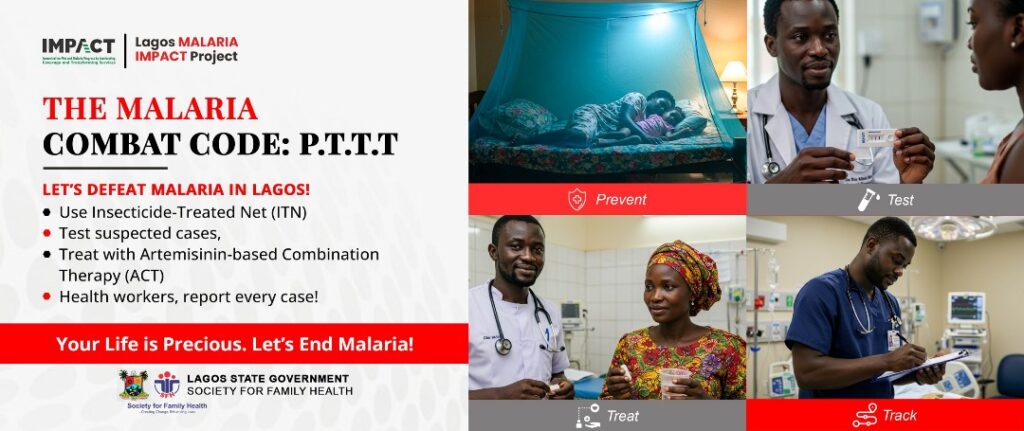
According to him, the campaign is designed around four pillars—Prevent, Test, Treat, and Track—which, he said, were not just slogans but actionable strategies for citizens, health workers, and policymakers. “This initiative is not just about talk; it is about putting the right tools in the hands of Lagosians to make informed health choices,” Dr. Idogho emphasized.
He noted that the campaign would harness multiple communication platforms, including radio and TV jingles, media appearances, billboards, bus branding, digital and social media campaigns, bulk SMS, and direct community engagement. “Our aim is to saturate the information ecosystem with accurate, consistent, and actionable malaria messages,” he said, adding that the media would play a pivotal role in bridging the gap between health policy and grassroots behavior.
Dr. Idogho warned against complacency, stressing that malaria was no longer the dominant cause of fever in Lagos. “Over 90% of fever cases today are due to other conditions. This is a new reality that Lagosians must understand, testing before treatment is non-negotiable,” he declared.
He further underscored the need to discourage self-medication and incomplete treatment doses, noting that adherence to the use of Artemisinin-based Combination Therapy (ACTs) remained central to avoiding drug resistance. “We must win this fight not just by treating malaria but by treating it right,” he said.
Deputy Managing Director (Programmes) at SFH Nigeria, Dr. Jennifer Anyanti explained that the IMPACT project’s unique feature was its deliberate engagement of the informal health sector, where over 60% of Lagosians seek first contact for care. She said the campaign would directly train and equip community pharmacies and Patent and Proprietary Medicine Vendors (PPMVs) with the skills and tools to ensure proper malaria testing and referral.
“By engaging the informal sector, we are ensuring that no Lagosian is left behind. Our goal is that whether you walk into a primary health centre or clinic whether in the public or private health sector, a community pharmacy, or even a patent medicine shop you will receive the right diagnosis and the right care,” Dr. Anyanti stated.
She also highlighted the role of data and tracking in sustaining gains, stressing that accurate reporting from community outlets would help strengthen Lagos’ surveillance systems. “Data is the backbone of accountability. It allows us to know where malaria is occurring and to respond rapidly and effectively,” she said.
Dr. Anyanti urged Lagos residents to embrace preventive practices, especially environmental sanitation and use of insecticide-treated nets. “Prevention remains the first line of defense. Eliminating mosquito breeding sites in our homes and communities is the surest way to push malaria out of Lagos,” she remarked.
On her part, the Lagos State Malaria Elimination Programme Manager, Dr. Abimbola Osinowo, described the initiative as a bold demonstration of what cross-sector collaboration could achieve in public health. She said the State had shown leadership in mobilizing technical expertise, financing, and grassroots buy-in.
“This campaign is not just about malaria, it is about saving lives and building healthier communities. It is a testimony that with the right political will and partnerships, malaria elimination is not a dream but a goal within reach,” Dr. Osinowo affirmed.
She stressed that behavior change remained the toughest hurdle, adding that sustained media engagement was critical to changing old habits of presumptive treatment without testing. “When people see and hear consistent messages across radio, TV, billboards, and their communities, then behavior begins to shift,” she explained.
Dr. Osinowo concluded with a call to action to citizens, religious leaders, and civil society. “This fight cannot be left to government alone. Everyone has a role to play; keep your environment clean, sleep under treated nets, demand testing before treatment, and complete your medications. Together, we can make history with a malaria-free Lagos,” she said.
The campaign launch ended with a resounding commitment from stakeholders to amplify the Prevent, Test, Treat, and Track message across the State. With the combined efforts of SFH, the World Bank, Lagos State Government, and the media, stakeholders expressed optimism that Lagos would not only sustain its pre-elimination status but serve as a national model in the fight against malaria.
For Advert, Event Coverage/Press Conference Invite, Story/Article Publication & Other Media Services
Contact Us On WhatsApp
Send Email To: citizennewsng@gmail.com
Visit Citizen NewsNG To Read More Latest and Interesting News Across Nigeria and the World