




Lagos Holds Policy Dialogue On Sustaining HPV Vaccination | Citizen NewsNG
 Citizen NewsNG
4 min read
Citizen NewsNG
4 min read
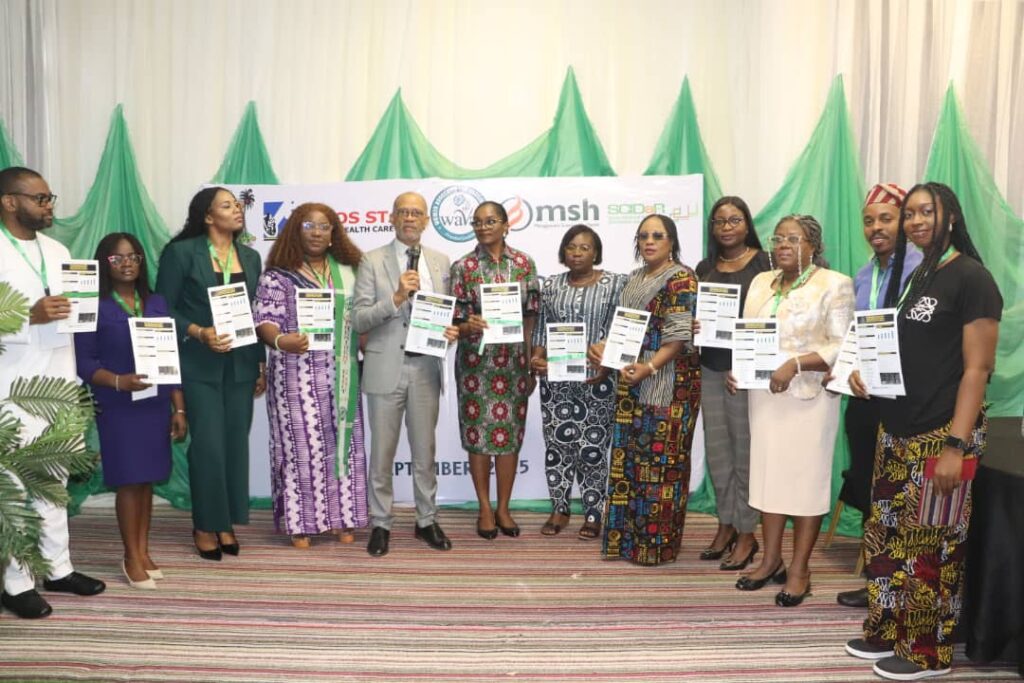
The Lagos State Government, in partnership with Women Advocates for Vaccine Access (WAVA), has convened a high-level research dissemination and policy dialogue aimed at sustaining the Human Papillomavirus (HPV) vaccination programme in the state. The event, held on Tuesday, September 30, 2025, at Protea Hotel, Alausa-Ikeja, brought together policymakers, researchers, and development partners to chart a sustainable pathway for HPV vaccine delivery in Lagos.
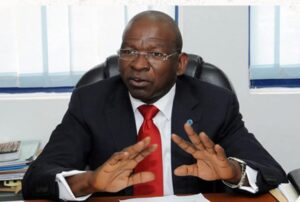
In his remarks, the Lagos State Commissioner for Health, Professor Akin Abayomi, underscored the urgent need for clarity and sustainability around the programme. He noted that while staff attitudes had shifted positively, with vaccination targets being exceeded, stakeholders needed to better understand the real cost of the vaccine, separate from logistics and mobilization expenses.
The Commissioner further raised questions on funding sources, stressing the importance of determining whether current financing came from external donors, federal channels, or directly from the Lagos State Government. “All stakeholders need to be clear on where responsibility lies, especially as donor funding continues to shrink,” he said.
While acknowledging the cost-effectiveness of prevention, he stressed that policy justification would require calculating the total financial implications of vaccinating all eligible girls aged 9 to 14. He recommended integrating HPV vaccination into the state’s social health insurance scheme to ensure long-term sustainability.
Special Adviser to the Governor on Health, Dr. Kemi Ogunyemi, highlighted the progress Lagos had made in overcoming resistance to HPV vaccination. She noted that initial anti-vaccine sentiments and misinformation were addressed through stronger awareness campaigns and improved strategies during the second round of vaccination.
Dr. Ogunyemi also emphasized the importance of including boys in HPV vaccination. “Boys play a significant role in the transmission of the virus. Protecting both girls and boys is central to breaking the cycle of infection and securing a healthier future,” she said.
Presenting the Lagos State HPV Vaccination Landscape Analysis, Dr. Eric Aigbogun, Senior Engagement Manager at the Solina Center for International Development and Research (SCIDaR), outlined findings from a multi-state study conducted in Lagos, Kano, and Kaduna. He noted that the HPV vaccine remains one of the most effective tools in preventing cervical cancer and urged deliberate efforts to guarantee its sustainability.
He explained that the Lagos target between 2025 and 2029 was to reach about 1 million girls aged 9 years. Dr. Aigbogun, however, identified major barriers to delivery, including workforce shortages, high costs in private facilities, and hesitancy driven by misinformation—even among educated families. He said that vaccine uptake in slum and migrant communities also posed a unique challenge that must be addressed.
To overcome these barriers, he recommended stronger domestic financing, targeted outreach to underserved communities, improved coordination among stakeholders, and intensified demand generation campaigns in local languages. He further advised engaging traditional and religious leaders, as well as fathers and male guardians, in vaccination advocacy.
According to him, the sustainability of the HPV vaccination programme would depend on strong state ownership, predictable financing, community involvement, and its integration into routine health services. “If we get this right, we will not only prevent cervical cancer but also save thousands of lives across Nigeria,” he said.
Director of Programs and Team Lead at Women Advocates for Vaccine Access (WAVA), Goodness Hadley, presented the HPV Vaccine Roadmap for Lagos, highlighting both progress and critical gaps in implementation. She noted that Lagos, with over 2 million girls aged 9 to 14, remains central to Nigeria’s HPV vaccination success.
She explained that while Lagos benefits from a functional primary healthcare system, strong collaboration, and digital accountability tools, the state still struggles with inadequate media sensitization, weak community engagement, and the absence of a dedicated HPV immunization budget line. According to her, coverage gaps are worsened by misinformation, particularly myths around fertility, spread on platforms such as WhatsApp and Facebook.
Hadley stressed that sustainability requires structural reforms, including institutionalizing a multi-year HPV budget line, integrating vaccination into the state’s school health policy, and leveraging public-private partnerships to mobilize financing. She recommended the creation of a Lagos Adolescent Immunization Strategy, the use of storytelling campaigns to rebuild public trust, and the establishment of a monitoring dashboard to track commitments and local government performance.
“Without deliberate financing and targeted strategies, too many girls will remain unprotected, and Lagos risks losing its position as a national leader in HPV vaccination,” she warned.
Earlier in her opening remarks, Director of Health Care Planning, Research and Statistics, Lagos State Ministry of Health, Dr. Olajumoke Oyenuga, described the policy dialogue as the continuation and finalization of months of work on HPV vaccination sustainability. She explained that Lagos had developed its own roadmap to ensure that the programme is not derailed despite funding uncertainties.
Dr. Oyenuga expressed gratitude to the Commissioner for Health, Special Adviser to the Governor on Health, and other stakeholders for their leadership and contributions from research to policy stages. She noted that the dialogue would strengthen systems and structures needed to deliver HPV vaccines in a sustainable manner.
She concluded by expressing optimism that the deliberations would transform vaccine delivery in Lagos State and secure the future of the HPV vaccination programme. “Your commitment today shows that we are ready to protect the next generation of Lagosians from preventable cancers,” she said.
For Advert, Event Coverage/Press Conference Invite, Story/Article Publication & Other Media Services
Contact Us On WhatsApp
Send Email To: citizennewsng@gmail.com
Visit Citizen NewsNG To Read More Latest and Interesting News Across Nigeria and the World