






Lagos Blood Service Mobilises Workforce For Accreditation Drive | Citizen NewsNG
 Citizen NewsNG
4 min read
Citizen NewsNG
4 min read
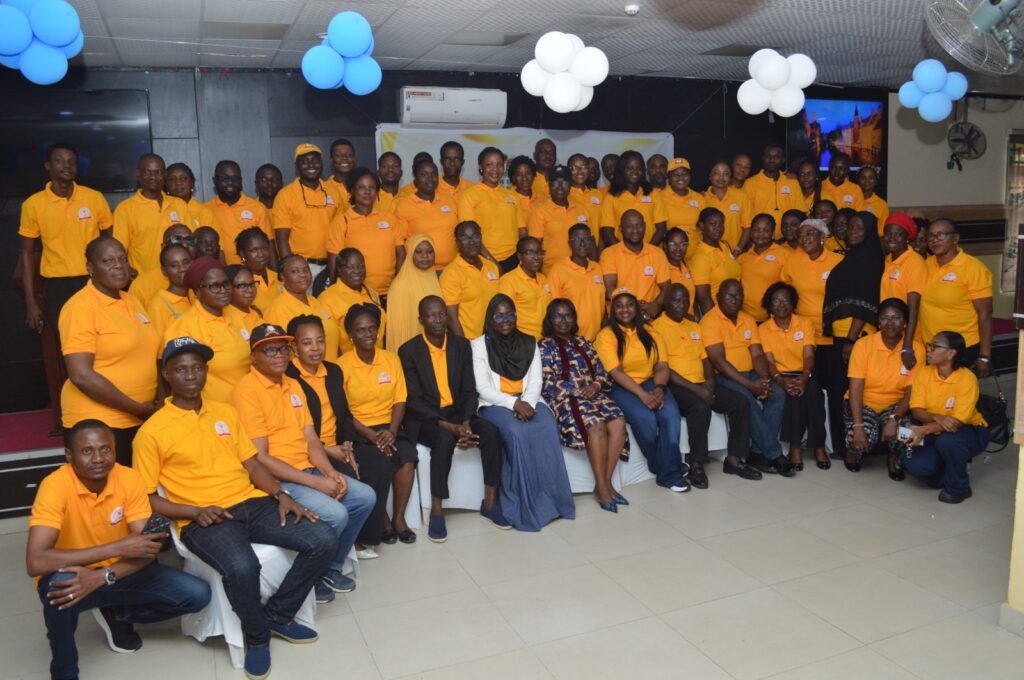
The Lagos State Blood Transfusion Service (LSBTS) has intensified its drive toward international accreditation, rallying its workforce around teamwork, leadership and quality improvement at a two-day Workforce Engagement Forum held February 16–17, 2026, in Lagos.
The forum, themed “Accreditation as a Shared Goal: Strengthening Teamwork and Quality for Safe, Reliable Blood Transfusion Services,” brought together management, technical staff, volunteers and facilitators at the Providence Hotel Ikeja and Conference Hall of the Debt Management Office, Secretariat, Alausa-Ikeja, where participants reviewed processes, identified gaps and developed measurable performance indicators.
Executive Secretary of LSBTS, Dr. Bodunrin Osikomaiya, described the engagement as a deliberate shift from episodic training to a sustained institutional process anchored on collaboration and accountability.
“This training is not just an event; it is a process, and this process can only be successful if everyone works together as a team,” Osikomaiya said, noting that the service used the forum to examine past challenges, consolidate achievements and interrogate why certain gains were not sustained. She stressed that the goal was to identify practical ways to maintain and improve systems already in place.
According to her, the sessions focused strongly on teamwork, team building and leadership development for both management and operational staff. “When team building and leadership trainings are effective, it becomes easier to discuss and achieve our goals, ensuring continuous quality improvement even after the training,” she added.
Osikomaiya disclosed that the engagement was highly interactive, with each unit documenting what it could achieve using standard operating procedures, guidelines and available resources. “The aim is to take what we have and make the best out of it, without overreaching,” she explained.
She further revealed that the monitoring and enforcement subcommittee participated actively, not only to enforce standards but to ensure follow-up on agreed initiatives. All departments and subcommittees, she said, contributed to developing key performance indicators to track progress and strengthen accountability across the transfusion service.
Retired Major General Mrs. Tilewa Amosu, one of the facilitators, said the retreat provided a platform for bonding and role clarity among personnel whose work demands seamless collaboration. “This retreat allows the transfusion service personnel to come together and bond as a team, which is critical in any collaborative work,” she stated.
Amosu noted that the blood transfusion service had consistently maintained high standards over the years, describing it as one of the earliest services to achieve such performance benchmarks. She said the retreat would help align operations with international expectations and secure broader recognition.
“Staff benefit from better teamwork and motivation, while clients can be confident that the blood they receive meets high-quality international standards,” she said, adding that her role was to facilitate the process and support the team in achieving its accreditation goals.
Consultant Haematologist and facilitator, Dr. Orolu Adebukola, explained that the programme was structured to help every staff member understand their role in achieving accreditation. She said the drive aligns with LSBTS’ vision of ensuring that every unit of blood is safe before issuance for transfusion.
“Our goal is to align all departments and units towards one common standard,” Adebukola said, noting that the service is working with standards of the African Society for Blood Transfusion and the National Blood Service Agency. “Accreditation must be a shared responsibility across all departments,” she emphasized.
She outlined the interconnected roles of the donor recruitment, blood processing and screening, and transfusion transmissible infection testing units, stressing that meeting unified standards would strengthen policies, processes and overall service quality while boosting public confidence.
Quality Assurance Manager, Mr. Taiwo Oloko, described the training as transformative for his daily work. He said sessions on team building, emotional intelligence and effective communication had equipped him with new strategies to build a more united and focused team.
“This programme has changed my view about accreditation. It has made me realise that accreditation is not the responsibility of just one person or one department,” Oloko said, stressing that collaboration across units is the key to achieving the service’s accreditation ambition.
Miss Oluwasiji Damilola, a staff of LSBTS said the forum broadened her understanding of safe transfusion practices and reinforced the importance of teamwork in a multi-disciplinary environment. “Working together effectively allows us to achieve complete and reliable results,” she noted, describing the engagement as a valuable opportunity to contribute meaningfully to safe blood services in Lagos State.
For Advert, Event Coverage/Press Conference Invite, Story/Article Publication & Other Media Services
Contact Us On WhatsApp
Send Email To: citizennewsng@gmail.com
Visit Citizen NewsNG To Read More Latest And Interesting News Across Nigeria And The World