






We’ll Not Be Intimidated In Nuclear Negotiations – Iran Tells US | Citizen NewsNG
 Citizen NewsNG
3 min read
Citizen NewsNG
3 min read
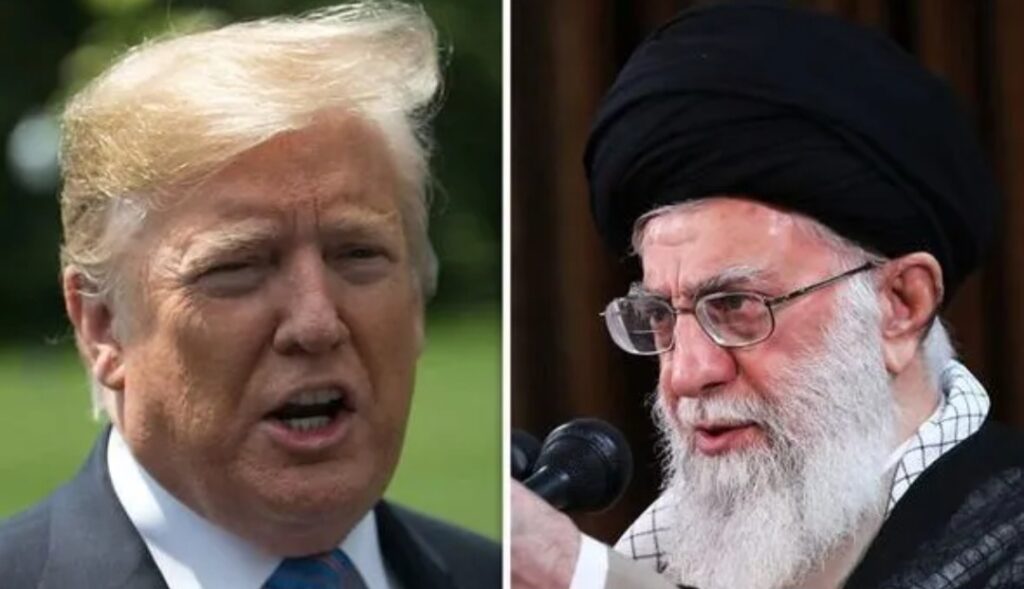
Iran has firmly rejected pressure from the United States to abandon its uranium enrichment programme, insisting that it will not be intimidated or give up what it describes as a sovereign right, even in the face of threats of war and sustained sanctions.
Iran’s Foreign Minister Abbas Araghchi made the comments on Sunday at a public forum in Tehran, where he reiterated that Tehran would “never surrender the right to enrich uranium,” a key point of contention in resumed indirect nuclear talks with Washington.
The remarks come as indirect negotiations between Iranian and U.S. representatives resumed in Oman this week — the first such engagement in years — amid rising tensions in the broader Middle East and a growing U.S. military presence in the region.
Defiance amid military pressure
Araghchi said that Iran would not bow to pressure, despite what he described as a U.S. naval deployment near Iranian waters, including the presence of the USS Abraham Lincoln aircraft carrier in the Arabian Sea. “Their military deployment in the region does not scare us,” he told attendees.
“We insist on enrichment and refuse to give it up, even if a war is imposed on us,” Araghchi said, framing the issue as one of national dignity and independence. “No one has the right to dictate our behaviour.”
Iran has said its nuclear programme, including uranium enrichment, is intended for peaceful purposes — a position it maintains despite Western and U.S. suspicions that Tehran’s capabilities could be used to produce weapons-grade material.
Stalled diplomacy and mutual distrust
While both sides agreed to resume talks in Muscat, Oman, Iran’s hardline stance has raised doubts about the effectiveness of the negotiations. Tehran has emphasised that enrichment must be part of any final agreement, and it has remained sceptical of U.S. intentions — particularly as sanctions on key sectors of its economy remain in place.
The United States, for its part, has warned of “very steep consequences” if Tehran fails to make meaningful concessions, and has maintained elements of its maximum pressure campaign — including sanctions targeting Iranian entities involved in missile procurement and drone sales.
Regional tensions and wider implications
The defiant tone from Tehran has intensified concerns across the region and among global powers about the future of nuclear diplomacy. Israel, a close U.S. ally, has been vocal in its warnings about Iran’s nuclear ambitions, and analysts say any breakdown in talks could heighten the risk of further escalation.
Iran remains open to negotiating parameters around how enrichment occurs — such as its level and transparency — but sees any demand to fully abandon the programme as unacceptable.
What’s next
Diplomats from both Washington and Tehran are understood to be assessing whether the current talks can be sustained or expanded, with further rounds possibly hinging on mutual trust-building measures and a reduction of military rhetoric on both sides.
For Advert, Event Coverage/Press Conference Invite, Story/Article Publication & Other Media Services
Contact Us On WhatsApp
Send Email To: citizennewsng@gmail.com
Visit Citizen NewsNG To Read More Latest And Interesting News Across Nigeria And The World