





 Citizen NewsNG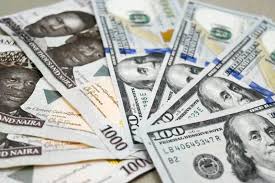
Naira and Dollar Notes
The Nigerian Naira maintained a stable trajectory against the US Dollar in the early hours of Friday, March 20, 2026, as the foreign exchange market continues to digest the impact of the country’s strengthened external buffers and the central bank’s persistent orthodox monetary stance.
Official Market Activity
In the Nigerian Foreign Exchange Market (NFEM), the Naira opened the final trading session of the week with a slight uptick in value. Real-time data from the FMDQ Securities Exchange showed the currency trading at an average of N1,352.89 per dollar. This represents a continued gradual appreciation from the mid-week average of N1,357, marking a positive week for the local currency.
The market has been buoyed by the recent announcement from the Central Bank of Nigeria (CBN) that gross external reserves have stabilized above the $50 billion threshold, currently sitting at approximately $50.03 billion. Financial analysts attribute this to increased oil receipts, with Brent crude holding firm above $100 per barrel, and a significant rise in diaspora remittances.
Parallel Market Overview
The parallel market, or black market, has mirrored the stability seen in the official window. In major currency hubs such as Lagos, Kano, and Port Harcourt, Bureau De Change operators quoted the dollar at N1,410 for buying and N1,415 for selling.
The gap between the official and parallel rates remains relatively tight at under 5%, a achievement the CBN Governor, Olayemi Cardoso, recently highlighted as a key indicator of successful exchange rate unification. The reduced volatility has largely discouraged the speculative “panic buying” that characterized the market in previous years.
Economic Drivers and Future Outlook
Several factors are currently providing a tailwind for the Naira as we head into the second quarter of 2026:
Refining Capacity: The Dangote Refinery’s shift toward a 700,000 barrels per day output has significantly reduced the demand for foreign exchange previously allocated to petroleum product imports.
Monetary Policy: The CBN’s decision to maintain a tight monetary policy, with the Monetary Policy Rate (MPR) currently at 26.5%, continues to attract foreign portfolio investment despite global inflationary pressures.
Inflation Control: Headline inflation has shown a downward trend, recently recorded at 15.06%, which has helped stabilize the purchasing power of the Naira.
For Advert, Event Coverage/Press Conference Invite, Story/Article Publication & Other Media Services
Contact Us On WhatsApp
Send Email To: citizennewsng@gmail.com
Visit Citizen NewsNG To Read More Latest And Interesting News Across Nigeria And The World