





 Citizen NewsNG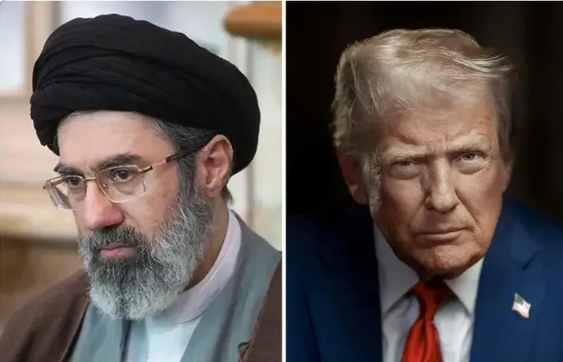
Iran has declared that the ongoing conflict with the United States will not subside unless all economic sanctions are lifted and financial reparations are paid for war-related damages, significantly raising the stakes in an already volatile geopolitical standoff.
The latest signal from Tehran underscores deepening tensions between the two nations, with analysts warning that the conditions set by Iran may complicate any immediate path to de-escalation.
Tehran Raises the Bar for Negotiations
By linking a potential ceasefire to the complete removal of sanctions, Iran is directly challenging a long-standing pillar of U.S. foreign policy. Economic sanctions have, for years, targeted Iran’s oil exports, financial systems, and access to international markets, exerting sustained pressure on its economy.
The dispute traces back in part to the U.S. withdrawal from the Iran nuclear deal under former President Donald Trump, a move that reimposed sweeping sanctions and reshaped relations between Washington and Tehran.
Efforts to revive the agreement, formally known as the Joint Comprehensive Plan of Action, have since faced repeated setbacks.
Unusual Demand for War Reparations
In a notable escalation, Iran is also demanding financial compensation for what it describes as damages caused by foreign actions. Experts say such demands are rare in modern conflicts unless there is a decisive military outcome or international legal ruling.
The call for reparations introduces a complex legal and diplomatic layer, suggesting Iran is positioning itself not only for negotiations but also for broader international legitimacy.
High-Stakes Standoff
The United States is unlikely to accept the conditions in full, given the political and strategic implications. Agreeing to reparations or fully lifting sanctions without concessions could set a precedent affecting other global conflicts.
This has created a diplomatic impasse:
Iran insists on sweeping concessions
The U.S. maintains pressure through sanctions
Both sides appear unwilling to make the first major compromise
Global Implications
The standoff carries significant risks for regional and global stability. The Middle East remains a critical hub for global energy supply, with key routes like the Strait of Hormuz serving as vital arteries for oil shipments.
Any escalation could disrupt energy markets, heighten security risks, and draw in other international actors.
Outlook
As tensions persist, the international community continues to monitor developments closely. While diplomatic breakthroughs often emerge through phased compromises, current positions from both Tehran and Washington suggest that a quick resolution remains unlikely.
For now, the crisis represents a pivotal moment that could reshape geopolitical dynamics and economic stability across the region for years to come.
For Advert, Event Coverage/Press Conference Invite, Story/Article Publication & Other Media Services
Contact Us On WhatsApp
Send Email To: citizennewsng@gmail.com
Visit Citizen NewsNG To Read More Latest And Interesting News Across Nigeria And The World