





Iran’s Supreme Leader, Ali Khamenei Killed During Joint US-Israel Military Operation – Trump Hints | Citizen NewsNG
 Citizen NewsNG
3 min read
Citizen NewsNG
3 min read
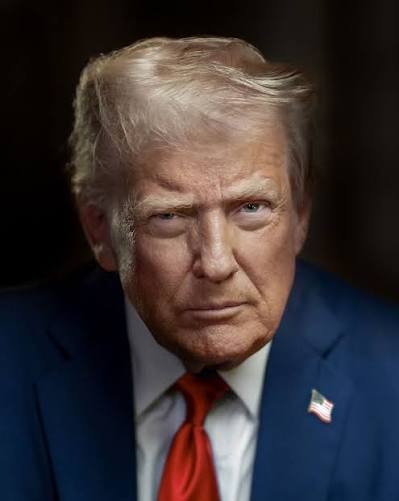
The United States has claimed that Iran’s Supreme Leader, Ali Khamenei, has been killed during a joint U.S.-Israel military operation.
U.S. President Donald Trump indicated in multiple media interviews that Washington believes reports of Khamenei’s death are credible, though he stopped short of confirming the claim definitively.
Trump hinted at Khamenei’s death as conflicting claims and escalating retaliation deepened the rapidly unfolding Middle East regional crisis.
Speaking to NBC News, Trump said, “We feel that that is a correct story,” referring to reports that Iran’s supreme leader had been killed in the strike operation.
When asked who might succeed Khamenei, Trump responded, “I don’t know, but at some point they’ll be calling me to ask who I’d like… I’m only being a little sarcastic when I say that.”
Discover more
Media ethics training
Journalist networking events
Legal aid for journalists
Nigeria current affairs
Political science degrees
In a separate interview with ABC News correspondent Rachel Scott, Trump reiterated the administration’s belief that Iran’s leadership had suffered devastating losses.
“I don’t want to say anything definitively until I see things, but we believe he is. And much of their leaders are gone,” Trump said.
Similarly, a senior Israeli official told Reuters that Khamenei’s body had been found following the strikes, further fueling speculation about the fate of Iran’s most powerful political and religious figure.
However, Iranian authorities quickly rejected the claims.
Iranian state media cited a source close to Khamenei’s office as saying, “I can tell you with confidence that the leader of the revolution is steadfast and firm in commanding the field,” according to Reuters.
Tehran condemned the strikes as “unprovoked and illegal,” launching retaliatory missile attacks against Israel and at least seven other countries, including Gulf states hosting U.S. military bases.
Explosions were reported in several Iranian cities, triggering widespread panic as residents attempted to flee affected areas.
The escalation has pushed the Middle East toward a broader regional confrontation within hours of the initial strikes.
The attacks occurred only weeks after Iranian authorities violently suppressed anti-government protests that left thousands dead, according to opposition groups.
Demonstrations had recently resumed as citizens commemorated victims of the earlier crackdown.
Trump defended the military action, saying it was aimed at ending what he described as a decades-long threat posed by Iran and preventing the country from developing nuclear weapons.
He called on Iranian security forces to lay down their arms and encouraged citizens to overthrow their government once the bombing campaign concludes.
Israeli Prime Minister Benjamin Netanyahu said there were strong indications Khamenei “is no longer.”
He added that the supreme leader’s compound had been destroyed and that senior commanders of Iran’s Revolutionary Guards and key nuclear officials were among those killed.
According to sources briefed on U.S. intelligence assessments, the Central Intelligence Agency had examined potential outcomes in Iran during the two weeks leading up to the operation.
Analysts reportedly warned that if Khamenei were killed, hardline figures within Iran’s Revolutionary Guards could seize power.
The elite force’s primary mission is to protect Iran’s Shi’ite clerical system and maintain regime stability.
The intelligence review explored multiple scenarios, including the possibility that military intervention could trigger regime change or intensify internal power struggles within Iran’s leadership.
As conflicting narratives continue to emerge, the fate of Khamenei remains unverified, while fears grow that the first day of the U.S.–Iran–Israel confrontation could mark the beginning of a wider and prolonged regional war.