





 Citizen NewsNG
Nearly half of Nigerian women are living with uterine fibroids, with experts warning of serious symptoms, prompting renewed calls for government-led research, and screening programmes.
According to recent findings released by an NGO, White Ribbon Alliance Nigeria, a staggering 45.1 percent of Nigerian women are affected by uterine fibroids. The advocacy group says the data underscores an urgent need for national screening policies, stronger research funding, and better reproductive health tracking systems.
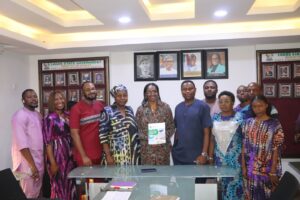
This figures were presented during a high-level stakeholders dialogue held on February 25, 2026, at the Niger State Ministry of Health in Minna. The meeting focused on advancing menstrual, reproductive health through evidence-based policymaking and institutional leadership.
Health experts at the forum revealed that Nigerian women tend to develop fibroids at a younger age compared to their Western counterparts.
The founder and Chief Executive Officer of Youterus Health, Fatou Wurice, alongside Chief Tonte of White Ribbon Alliance Nigeria, noted that while women in Western countries typically develop fibroids between ages 40 to 46, Nigerian women are diagnosed much earlier, between 35 to 37 years.
Beyond age disparities, the burden appears to begin in adolescence. Dr. Wurice disclosed that 57.4 percent of Nigerian teenage girls experience heavy menstrual bleeding. Even more concerning, is the prolonged delay before many seek medical care.
The average gap between the onset of symptoms and clinical consultation exceeds 20 years, a delay experts warn may worsen complications, fertility challenges and overall quality of life. Despite the high prevalence, Nigeria currently lacks a coordinated national screening programme for uterine fibroids.
The country lacks comprehensive patient registries to monitor outcomes or dedicated funding streams for uterine health research. Dr. Wurice expressed concern over the systemic neglect of women’s reproductive health data in national planning.
“When women’s health needs are not captured in data generated by Nigerians, women’s needs end up being excluded from policy planning, budget decisions and service delivery. Strong government leadership, supported by locally generated evidence and strategic partnerships, is essential to changing this reality,” she said.
Her remarks framed fibroids not only as a medical concern but also as a policy gap requiring institutional commitment.
Responding to the findings, Niger State Commissioner for Health, Murtala Mohammad Bagana, described the long-standing inattention to women’s health as a serious governance shortfall. He welcomed the research initiative led by White Ribbon Alliance Nigeria, noting that it would equip policymakers with actionable insights.
“Niger State will be part of the entire exercise of the White Ribbon Alliance Nigeria. As a commissioner and with my team, we want to be involved in the field research because we are the ones who will ultimately implement the findings,” he said.
Dr. Bagana further disclosed that the state intends to push for national consideration of the research outcomes at the National Council on Health meeting scheduled for November 2026. He pledged to champion discussions aimed at translating the study’s conclusions into policy reforms.
Ultimately, elevating uterine fibroids within Nigeria’s public health agenda could reshape reproductive healthcare delivery for millions of women. Advocates argue that integrating screening programmes, strengthening data systems and prioritizing research funding would move the country closer to equitable, evidence-driven healthcare that truly reflects women’s needs.
By Chioma OsujiFe
For Advert, Event Coverage/Press Conference Invite, Story/Article Publication & Other Media Services
Contact Us On WhatsApp
Send Email To: citizennewsng@gmail.com
Visit Citizen NewsNG To Read More Latest And Interesting News Across Nigeria And The World