




 Citizen NewsNG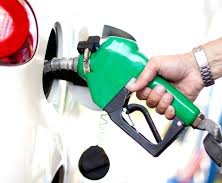
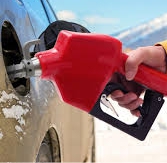
Petrol nozzle
Passengers have continued to express frustrations over the incessant increase in the pump price of Premium Motor Spirit (PMS), popularly known as petrol.
From N790 per litre in February, petrol pump price has jumped to N1,380 in Lagos and Ogun states due to disruptions in oil supply occasioned by the ongoing Middle East crisis.
As the crisis persists, motorists are expressing fresh concerns over a possible increase in petrol prices in Nigeria following the global crude oil prices that surged to $114 per barrel.
Speaking with Nigerian Tribune on Sunday, a motorist, Mr Fidelis Nte, said he had stopped taking his car to the office every day, as his spending on fuel had nearly doubled.
According to him, from the Mainland to Victoria Island, he now spends N20,700 per trip instead of N12,900 in early February, at N860 per litre.
Another motorist, Ayo Adebisi, said he could no longer afford to buy 10 litres of petrol at between N1,360 and N1,380 per day as he used to do.
Most commercial bus drivers have taken advantage of the situation to double their fares.
Checks by Nigerian Tribune have shown that transport fare from Ikeja to Lagos Island now costs N2,000, from N1,200 in February; Ojota to Ajah now costs N4,000, from N2,500 previously; Berger Bus Stop to Ojota now costs N400, from N200; and Berger Bus Stop to Mowe now costs N1,500, from N700.
In the last three days, the price of PMS has jumped twice due to the rising crude oil compliance with the high gantry price of the product from Dangote Refinery. According to a report, the spike follows escalating tensions in the Middle East, particularly the conflict involving the United States, Israel, and motorists. Passengers lament as petrol pump price hits N1,380 per litre. Alake advocates regional hubs to power African mining industry
Recent attacks on major energy facilities, including Iran’s South Pars gas field, have disrupted global supply and pushed oil prices upward.
Market data shows that Brent crude rose above $114 per barrel, its highest level since 2022, while U.S. crude also recorded gains. The increase in global oil prices has already impacted local fuel pricing.
Analysts have attributed the relative stability in petrol pump price in Nigeria to the growing impact of Dangote Petroleum Refinery & Petrochemicals, which has helped moderate domestic price volatility by absorbing a significant portion of the global cost pressures while ensuring consistent product availability.
This intervention has become particularly critical as many countries face supply disruptions, rationing and sharp price spikes following the escalation of tensions in the Middle East.
A key insight from the data is that very few countries globally sell petrol below $1 (N1,353.85) per litre without some form of state intervention.
According to GlobalPetrolPrices, most countries with pump prices under the $1 threshold operate fuel subsidies, price controls, or regulated pricing mechanisms to shield consumers from international market volatility.
In contrast, Nigeria operates a fully deregulated downstream market following subsidy removal in 2023, meaning domestic prices are directly influenced by global crude movements and foreign exchange dynamics.
By Dayo Ayeyemi
For Advert, Event Coverage/Press Conference Invite, Story/Article Publication & Other Media Services
Contact Us On WhatsApp
Send Email To: citizennewsng@gmail.com
Visit Citizen NewsNG To Read More Latest And Interesting News Across Nigeria And The World