





 Citizen NewsNG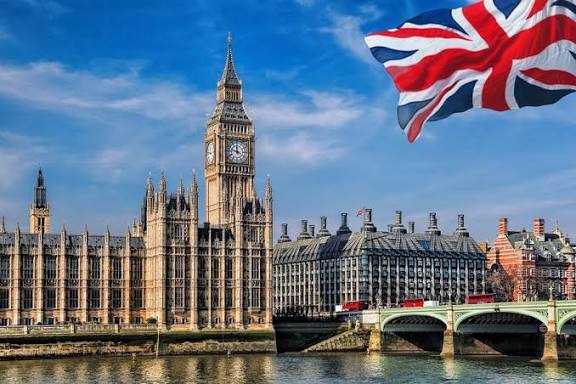
The United Kingdom has announced that it will stop issuing study visas to nationals of Afghanistan, Cameroon, Myanmar, and Sudan from this month (March), citing widespread abuse of the visa system.
The decision, confirmed by the Home Secretary, Shabana Mahmood, will also see an end to skilled work visas for Afghan nationals, according to the BBC.
According to the UK Home Office, the move follows data showing that nationals from the four countries are the most likely to apply for asylum after initially entering the UK on student visas.
In a statement, a government spokesperson said the action was aimed at preserving the integrity of the immigration system.
“The government is clamping down on visa abuse so the UK can maintain its ability and proud tradition of helping those genuinely in need,” the spokesperson said.
Official figures released by the Home Office revealed that asylum claims from individuals who originally travelled to the UK legally, including those who came to study, have more than tripled between 2021 and 2025.
People who entered on study visas now account for 13 percent of all asylum claims currently being processed.
Mahmood described the move as an “unprecedented decision” to refuse visas to nationals she accused of exploiting Britain’s immigration system.
“I am taking the unprecedented decision to refuse visas for those nationals seeking to exploit our generosity,” she said. “I will restore order and control to our borders.”
The Home Office disclosed that about 95 percent of Afghans who arrived in the UK on study visas since 2021 subsequently applied for asylum.
Applications from students from Myanmar increased sixteen-fold, while claims from Cameroon and Sudan more than quadrupled within the same period.
The department added that a higher-than-average proportion of applicants from the four countries cited destitution in their asylum claims, with approximately 16,000 nationals currently receiving state support.
Officials argued that allowing visa holders to remain and later claim asylum poses “an unsustainable threat to the UK’s asylum system.”
The affected countries are grappling with severe instability.
Afghanistan remains volatile following the Taliban takeover, with renewed tensions and violent clashes reported along its border with Pakistan.
Sudan has been embroiled in a brutal civil war since 2023, triggering what the United Nations has described as the world’s largest humanitarian crisis, displacing millions.
Cameroon continues to battle separatist unrest in its Anglophone regions, where armed groups are fighting for independence in the predominantly French-speaking nation.
Myanmar has also been in turmoil since a 2021 military coup sparked a protracted civil war.
Mahmood is expected to formalise the suspension through changes to Immigration Rules on Thursday, March 5.
The move follows earlier warnings from the Home Secretary in November that the UK could suspend visas for Angola, Namibia, and the Democratic Republic of Congo unless those governments agreed to accept deported nationals, a threat that reportedly led to the resumption of return flights.
The policy shift aligns with Prime Minister Keir Starmer’s tougher approach to immigration amid mounting pressure from opposition parties, including the Conservatives and Reform UK.
Last week, the government also announced that refugee protection periods would be cut to 30 months in a bid to reduce the number of migrants crossing the English Channel in small boats.
In 2025 alone, 41,472 migrants crossed the Channel, nearly 5,000 more than the previous year.
Despite the crackdown, the Home Office insisted the UK remains committed to supporting vulnerable populations, noting that the country ranks sixth globally in resettling refugees referred by the UN refugee agency.
For Advert, Event Coverage/Press Conference Invite, Story/Article Publication & Other Media Services
Contact Us On WhatsApp
Send Email To: citizennewsng@gmail.com
Visit Citizen NewsNG To Read More Latest And Interesting News Across Nigeria And The World