






US Deploys Drones, 200 Troops To Nigeria For Intelligence Support — Report | Citizen NewsNG
 Citizen NewsNG
2 min read
Citizen NewsNG
2 min read
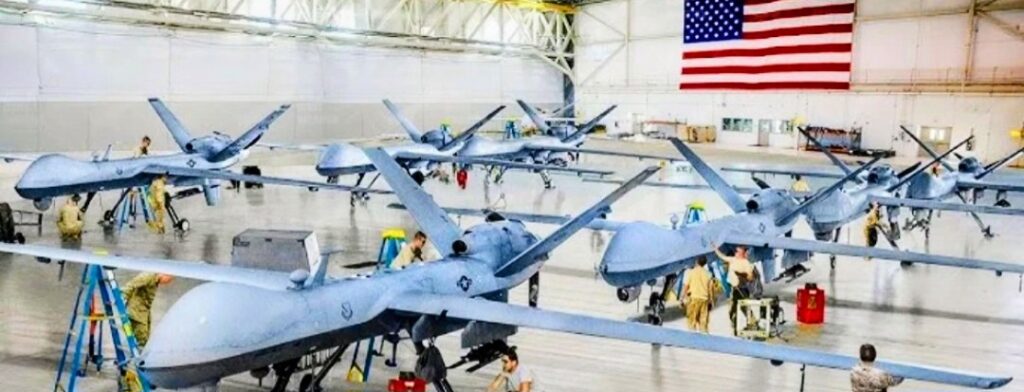
The United States has reportedly deployed advanced surveillance drones and about 200 military personnel to Nigeria to bolster intelligence gathering and provide training support in the country’s ongoing fight against insurgency in the North-East.
According to Reuters on Saturday, the deployment was requested by Nigerian authorities to help identify, track, and respond to terrorist threats in the region.
The report noted that the deployment includes MQ-9 Reaper drones—high-endurance unmanned aerial vehicles known for their precision surveillance capabilities—as well as a contingent of US troops tasked with advising and assisting Nigerian security forces.
The move is said to be part of deepening security cooperation between Nigeria and the United States, particularly in response to renewed attacks by extremist groups operating in the Lake Chad Basin.
Security sources indicate that the US personnel will not engage in direct combat operations but will focus on intelligence, surveillance, reconnaissance, ISR, and capacity building for Nigerian troops.
The drones are expected to enhance real-time intelligence gathering, improve target tracking, and support coordinated operations against insurgent hideouts.
Nigeria has battled a protracted insurgency led by Boko Haram and its splinter faction, the Islamic State West Africa Province, for over a decade.
The conflict has claimed thousands of lives and displaced millions, particularly across Borno, Yobe, and Adamawa states.
While Nigerian authorities have yet to officially confirm the latest deployment, defence analysts say such collaboration is not unprecedented.
The United States has previously provided intelligence support, training, and equipment to Nigeria, although direct troop presence has often been limited and sensitive.
A senior security analyst noted that the use of MQ-9 drones could significantly shift operational effectiveness if properly integrated with ground forces.
“What Nigeria has lacked is persistent aerial surveillance. These platforms can monitor vast areas over long periods, making it harder for insurgents to regroup or move undetected,” the analyst said.
However, the reported deployment is likely to spark debate over sovereignty concerns and the extent of foreign military involvement in Nigeria’s internal security operations.
Experts also warn that while foreign support can enhance tactical capabilities, addressing the root causes of insurgency—such as poverty, governance gaps, and local grievances—remains critical to achieving lasting peace.
For Advert, Event Coverage/Press Conference Invite, Story/Article Publication & Other Media Services
Contact Us On WhatsApp
Send Email To: citizennewsng@gmail.com
Visit Citizen NewsNG To Read More Latest And Interesting News Across Nigeria And The World