





Ten Foods That Can Boost Sperm Production And Count In Men | Citizen NewsNG
 Citizen NewsNG
3 min read
Citizen NewsNG
3 min read
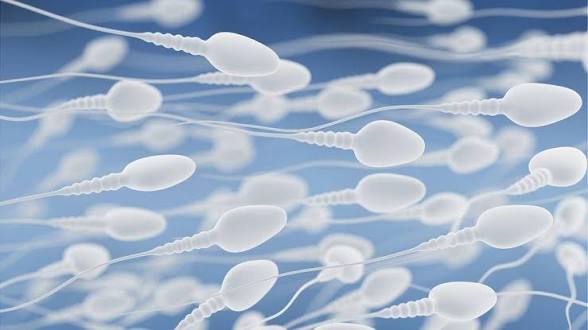
Male fertility is an issue that affects many couples. For men, the health of their sperm, including count, movement (motility), and shape (morphology), is important in their ability to conceive.
Age, genetics, and overall health are all important factors, but diet can also make a significant difference. Certain nutrients found in everyday foods, such as antioxidants, omega‑3 fatty acids, zinc, folate, selenium, and vitamin C, support sperm production, improve motility, and protect sperm from damage.
In this article, Tribune Online highlights 10 sperm boosting foods everyone should know.
Fish (Tilapia, sardines, mackerel, other local fish)
Fish is rich in omega‑3 fatty acids like EPA and DHA. These fats are structural components of sperm cell membranes and help to maintain fluidity and function. Research shows that men with higher omega‑3 status tend to have better sperm motility and concentration.
Eggs
Eggs are a good source of vitamin E and selenium. Both are antioxidants that protect cells, including sperm, from oxidative stress, which is caused by free radicals. Oxidative stress is one of the most common contributors to poor sperm parameters, and antioxidant intake improves sperm count and motility.
Leafy Greens (Spinach, Ugu, Ewedu)
Dark leafy vegetables contain folate (vitamin B9) and a range of antioxidants. Folate is involved in DNA synthesis and repair. Lower folate levels are associated with poorer sperm quality and increased abnormalities.
Groundnuts (Peanuts)
Groundnuts provide healthy fats, folate, and some arginine. A diet higher in plant‑based fats and micronutrients like folate improves overall sperm quality compared to diets high in processed fats and sugars.
Garlic
Garlic contains allicin and other antioxidant compounds. Antioxidants help to reduce oxidative stress, which can damage sperm DNA and reduce motility and count.
Tomatoes
Tomatoes are one of the best dietary sources of lycopene, a carotenoid antioxidant. Lycopene plays an important role in protecting sperm from oxidative damage and is associated with improved sperm morphology and reduced DNA damage.
Citrus Fruits (Oranges, Lemons, etc.)
Citrus fruits are high in vitamin C, a well‑studied antioxidant. Vitamin C plays an important role in protecting sperm DNA from damage and is known for higher sperm counts and improved motility.
Carrots
Carrots are rich in beta‑carotene, a provitamin A carotenoid and antioxidant. Antioxidants help to protect sperm cells from oxidative stress that can lead to reduced motility, abnormal shape, or DNA damage. Beta‑carotene contributes to the body’s antioxidant network and supports overall cellular health.
Pumpkin (Flesh and seeds)
Pumpkin is rich in carotenoids like beta‑carotene and other antioxidants. Like carrots, these antioxidants contribute to cellular protection. Additionally, pumpkin seeds contain zinc and healthy fats, and zinc helps to improve sperm production and motility.
Pomegranate
Pomegranate contains a unique mix of polyphenol antioxidants. Antioxidant-rich pomegranate extracts can protect sperm cells from oxidative damage and support healthy motility and DNA integrity.
By Mutalib Jibril
For Advert, Event Coverage/Press Conference Invite, Story/Article Publication & Other Media Services
Contact Us On WhatsApp
Send Email To: citizennewsng@gmail.com
Visit Citizen NewsNG To Read More Latest And Interesting News Across Nigeria And The World