







House Of Reps Investigates Xenophobic Attacks On Nigerians In South Africa | Citizen NewsNG
 Citizen NewsNG
3 min read
Citizen NewsNG
3 min read
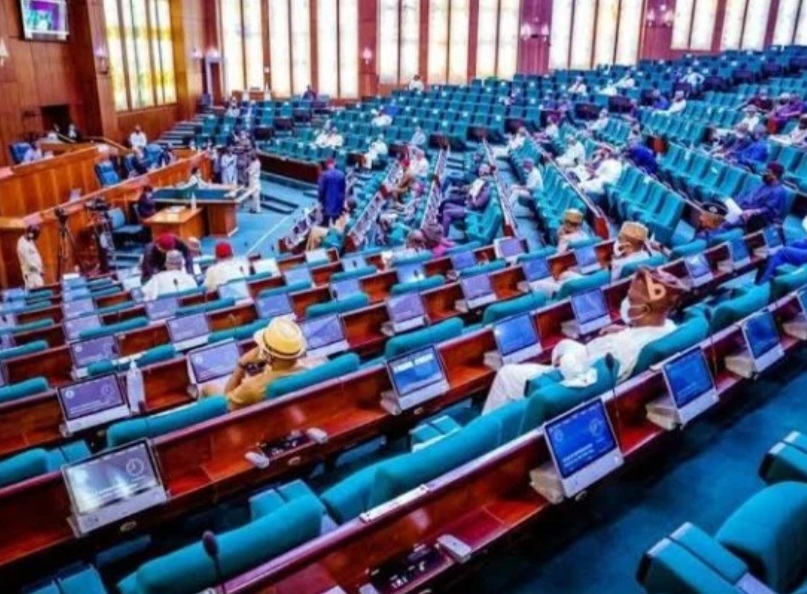
The House of Representatives on Tuesday unveiled plans to investigate the losses, damages, and casualties suffered by Nigerians in recent xenophobic attacks in South Africa.
The resolution followed the adoption of a motion sponsored by the Chairman of the House Committee on Defence, Hon. Babajimi Benson, who underscored the need for parliamentary intervention.
Leading the debate, Hon. Benson observed that Nigeria remains one of the foremost architects of South Africa’s liberation, having committed enormous diplomatic, financial, and political resources to the dismantling of apartheid. These included sustained advocacy at the United Nations, the Commonwealth, and the Organisation of African Unity; the establishment of the Southern African Relief Fund; educational scholarships for South Africans; and economic sacrifices imposed on its own citizens in support of the struggle for freedom.
“Notwithstanding this historic relationship, Nigerians residing lawfully in the Republic of South Africa have, for nearly two decades, remained recurrent targets of xenophobic violence characterised by killings, mob attacks, physical assaults, arson, looting of businesses, destruction of property, forced displacement, intimidation, and hate campaigns principally directed at African migrants.
“The House also observes that significant outbreaks of xenophobic violence were recorded in 2008, 2015, 2017, 2019, 2021, and on several occasions thereafter, each resulting in renewed diplomatic tensions between both countries, emergency evacuations of Nigerian citizens, and repeated assurances by the South African Government that adequate preventive measures would be implemented.
“The House is aware that the recent resurgence of coordinated anti-foreigner campaigns and inflammatory rhetoric by groups such as Operation Dudula and similar organisations has created widespread fear among Nigerian residents, with many reportedly abandoning their homes, businesses, and investments while seeking emergency evacuation following threats and unlawful ultimatums issued against foreign African nationals.
“The House is also aware that successive sessions of the National Assembly have, on several occasions, debated motions condemning xenophobic attacks against Nigerians in South Africa, expressed sympathy with victims, and urged diplomatic engagement between both governments, but none has culminated in a comprehensive legislative inquiry to establish the actual number of Nigerians killed, injured, displaced, or the aggregate economic losses suffered by Nigerian citizens over the years,” the Lagos lawmaker lamented.
He further expressed grave concern that every successive wave of xenophobic violence has been followed by public condemnation and diplomatic protests without a corresponding institutional effort to comprehensively document the losses suffered by Nigerians, thereby denying the Federal Government and the National Assembly an authoritative evidential basis for policy formulation, legislative intervention, and sustained diplomatic negotiations.
He maintained that, “a comprehensive legislative inquiry has become imperative not merely to establish responsibility for the recent attacks but also to document the cumulative human, economic, and social consequences of xenophobic violence against Nigerians in South Africa, with a view to recommending enduring legislative, diplomatic, and institutional solutions, as well as protection and reparation mechanisms for Nigerians in the diaspora.”
In his remarks, the Chairman of the House Committee on Media and Public Affairs, Rep. Akin Rotimi, underscored the need for a thorough investigation and accountability for anyone found culpable.
On his part, Hon. Paschal Agbodike called for adequate compensation for Nigerians repatriated from South Africa in view of the financial and psychological trauma suffered by the victims.
Following the debate, Speaker Abbas Tajudeen referred the motion to the joint Committees on Integration in Africa, Diaspora, Nigeria–South Africa Friendship Group, and Foreign Affairs to investigate the losses, damages, and casualties suffered by Nigerians, and to take inventory of property abandoned as a result of previous and recent xenophobic attacks in the Republic of South Africa for further legislative action.
The joint committees were also mandated to recommend appropriate diplomatic initiatives, legal mechanisms, and bilateral engagements to ensure accountability for perpetrators, enhance the protection of Nigerian residents in South Africa, ensure effective implementation of relevant international human rights obligations, and report back within four weeks for further legislative action.
By Kehinde Akintola
For Advert, Event Coverage/Press Conference Invite, Story/Article Publication & Other Media Services
Contact Us On WhatsApp
Send Email To: citizennewsng@gmail.com
Visit Citizen NewsNG To Read More Latest And Interesting News Across Nigeria And The World