








 Citizen NewsNG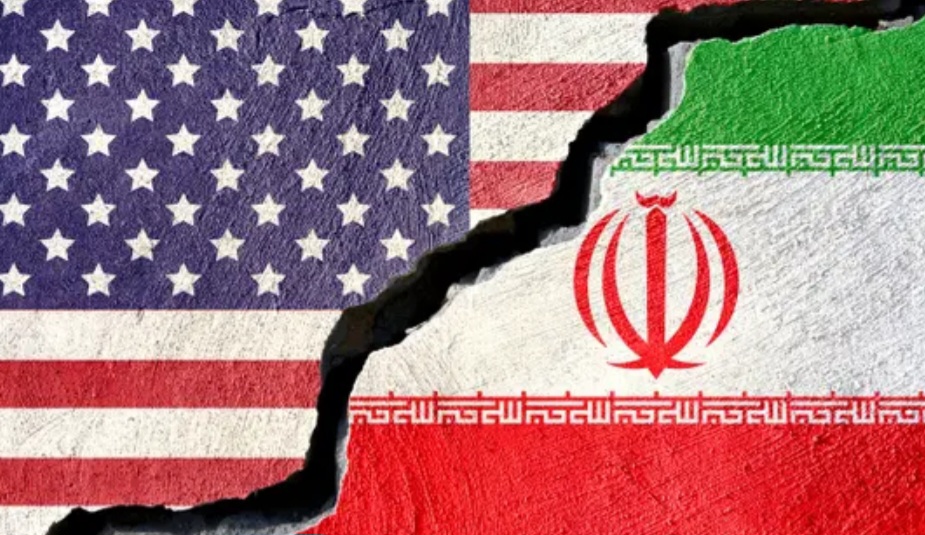
Fresh concerns have risen over renewed conflict and disruptions to global energy supplies after a 60-day deadline for the United States (US) and Iran to reach a lasting peace agreement has expired without a final deal.
The deadline was set under a memorandum agreed in June as part of efforts to end the US-Iran war, reopen the Strait of Hormuz and begin negotiations over Iran’s nuclear programme. However, talks have stalled over major differences between the two sides.
Iran has demanded an end to the US naval blockade, the withdrawal of American forces and compensation for damages caused by the conflict. Washington, however, has maintained pressure on Tehran and insisted on conditions including the reopening of the strategic waterway.
The Strait of Hormuz, through which a significant share of the world’s oil normally passes, remains largely disrupted, raising fears of further pressure on global energy markets.
Iran has also warned that it could escalate military action if the United States fails to honour an interim agreement within weeks. A senior Iranian official told Reuters that Tehran could take military measures to break the US naval blockade and further disrupt shipping through the strait.
Meanwhile, Iran and Oman are working on a separate arrangement aimed at managing commercial shipping through the Strait of Hormuz, a move that could ease pressure on the vital oil route.
Despite the expiry of the deadline, diplomatic efforts have not completely ended, with mediators continuing to push Washington and Tehran towards a broader settlement.
The latest development comes as uncertainty over the conflict continues to weigh on oil markets and raises fears of a wider escalation in the Middle East.
For Advert, Event Coverage/Press Conference Invite, Story/Article Publication & Other Media Services
Contact Us On WhatsApp
Send Email To: citizennewsng@gma Across Nigeria And The World