







NCC Board Moves To Boost Digital Inclusion, Crackdown On Call Masking, Protect Infrastructure | Citizen NewsNG
 Citizen NewsNG
3 min read
Citizen NewsNG
3 min read
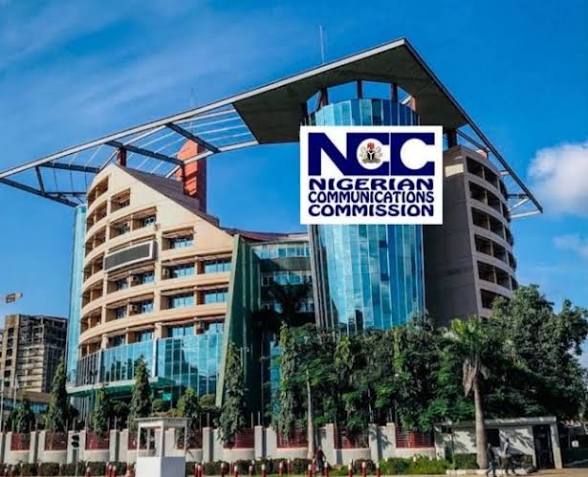
The Governing Board of the Nigerian Communications Commission (NCC) has moved to significantly tighten security, expand infrastructure, and enhance digital inclusion across the country following resolutions passed during its 110th Meeting held on September 9, 2026.
During the session, the board reviewed the Executive Vice Chairman and Chief Executive Officer’s report, evaluating critical regulatory issues, infrastructure progress, and rising security concerns like call masking.Massive Infrastructure Push Amid Fiber Cut WorriesThe NCC announced accelerated progress in nationwide network expansion.
Mobile Network Operators (MNOs) have officially deployed 8,526 out of 12,179 committed coverage and capacity sites across Nigeria.
This represents roughly 70% of their total commitment, marking a sharp increase from the 5,000 sites reported during the previous board meeting.However, the board raised concerns over network resilience.
A sharp spike in network disruptions recorded in June 2026 was largely attributed to rampant fiber cuts. The NCC emphasized that physical infrastructure expansion must be met with stronger, more rigid protection of critical national communications infrastructure to guarantee service reliability.
New Tech Platforms to Fight Device Theft and Identity Fraud
In a bid to bolster security and digital trust, the NCC confirmed that its Device Management System (DMS) is now fully live. The tech platform is designed to:Enhance type-approval compliance for mobile hardware.Stop the circulation of non-compliant or counterfeit devices.Deter mobile theft by allowing reported stolen devices to be blocked across all Nigerian networks simultaneously.
Additionally, the board announced that the Telecommunications Identity Risk Management System (TIRMS) is scheduled to go live in October 2026. TIRMS will strictly govern mobile number identities, reducing the risks associated with the fraudulent reuse, reassignment, or recycling of phone numbers—a vital step as SIM cards remain heavily tied to financial and social digital services.
Free Digital Education Launches October 1
Advancing its digital inclusion agenda, the NCC finalized a framework to zero-rate educational platforms and content, meaning students will soon access approved educational resources without data charges.
Developed in collaboration with the Federal Ministry of Education, the initiative was officially launched on September 10, 2026, with the official Go-Live date set for October 1, 2026.
Crackdown on Call Masking “Economic Sabotage”
The board expressed grave concern over a recent resurgence in call masking—the practice of concealing international calls as local traffic to evade higher interconnect rates.Reaffirming its zero-tolerance stance, the NCC labeled call masking an act of economic sabotage that distorts industry revenues, undermines legitimate operators, and threatens national security. The commission vowed to work closely with law enforcement and security agencies to completely eliminate the practice.
Overhauling the Digital Bridge Institute
The meeting also outlined a phased roadmap to strategically reposition the Digital Bridge Institute (DBI) for long-term sustainability.
The NCC will deploy two independent consultancies to oversee the overhaul:First Consultancy: Will conduct a full structural, operational, and human resource audit of DBI.
Second Consultancy: Will evaluate the legal and commercial viability of the proposed institutional changes.
The meeting concluded with the board reaffirming its commitment to transparency, consumer protection, fair competition, and the sustainable growth of Nigeria’s evolving digital economy.
For Advert, Event Coverage/Press Conference Invite, Story/Article Publication & Other Media Services
Contact Us On WhatsApp
Send Email To: citizennewsng@gmail.com
Visit Citizen NewsNG To Read More Latest And Interesting News Across Nigeria And The World