







 Citizen NewsNG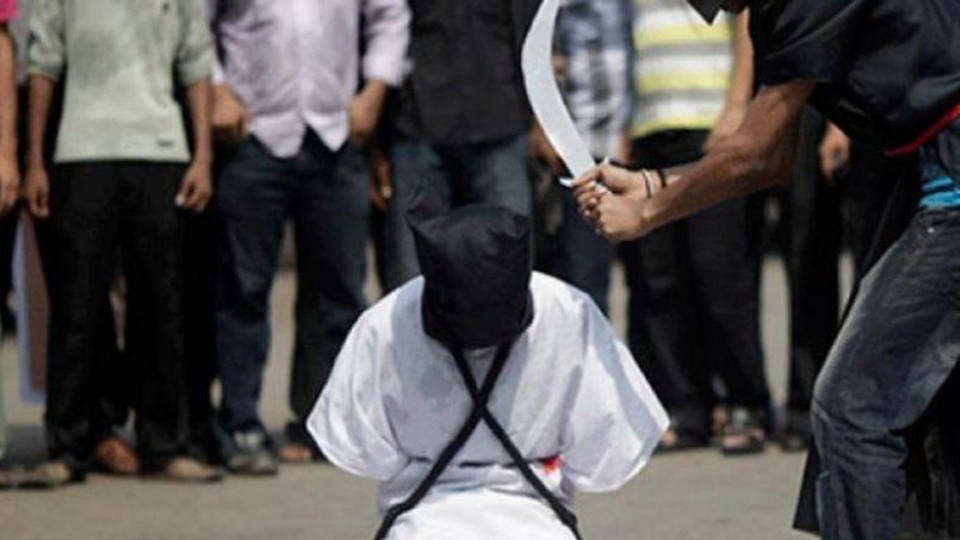
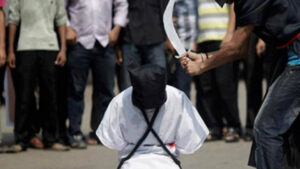
Saudi Arabia executed at least 356 people in 2025, including foreign nationals convicted of nonlethal drug offences, individuals sentenced for alleged crimes committed as children, and a journalist accused of exposing corruption within the royal family, according to Human Rights Watch (HRW).
The rights organisation disclosed this in a statement marking the World Day Against the Death Penalty, raising concerns over the kingdom’s continued use of capital punishment despite international human rights obligations.
According to HRW, the executions recorded in 2025 represent the highest annual total since monitoring began and the second consecutive year Saudi Arabia has broken its execution record. The country executed at least 345 people in 2024.
“The close of 2025 crystallised a horrifying trend in Saudi Arabia with a record surge in executions for the second consecutive year,” Joey Shea, Saudi Arabia researcher at Human Rights Watch, said.
“Governments should immediately press Crown Prince Mohammed bin Salman’s authorities to halt all executions,” Shea added.
HRW said the surge was largely driven by executions for drug-related offences, with foreign nationals accounting for a substantial proportion of those put to death.
Citing figures from Reprieve and the European Saudi Organisation for Human Rights (ESOHR), the organisation said 240 of those executed in 2025 had been convicted of nonlethal drug-related offences, including 188 foreign nationals.
The figures also showed that Saudi authorities executed 98 people for charges relating solely to hashish, according to the two organisations.
The executions have intensified concerns about the application of the death penalty to offences that do not involve the killing of another person, particularly where defendants are foreign nationals who may face additional barriers to securing adequate legal representation.
Human Rights Watch also raised concerns over the executions of at least two men convicted of offences allegedly committed when they were minors.
On October 20, 2025, Saudi authorities executed Abdullah al-Derazi, who had been sentenced to death on terrorism-related charges connected to participation in protests and funeral processions.
Al-Derazi was 17 at the time of the alleged offences in 2012 and belonged to Saudi Arabia’s Shia Muslim minority, which human rights groups say has faced longstanding discrimination and government repression.
Another man, Jalal al-Labbad, was executed on August 21, 2025, after being convicted over alleged offences committed when he was 15.
According to the European Saudi Organization for Human Rights, al-Labbad was arrested in 2017 over his alleged participation in demonstrations and funeral processions.
HRW said both men were allegedly tortured by Saudi authorities while in detention.
The organisation warned that several other individuals accused of committing offences as children remained at imminent risk of execution.
They include Yousef al-Manasif, Ali al-Mabiouq, Jawad Qureiris, Ali al-Subaiti, Hassan al-Faraj and Mahdi al-Mohsen.
The cases have raised concerns over Saudi Arabia’s compliance with international law, particularly the prohibition against executing people for crimes committed while they were children.
The Convention on the Rights of the Child, to which Saudi Arabia is a party, prohibits the imposition of the death penalty for offences committed by persons below the age of 18.
HRW also highlighted the execution of Saudi journalist Turki al-Jasser on June 14, 2025, describing the case as part of broader concerns about the kingdom’s treatment of critics and independent voices.
Al-Jasser was known for reporting on alleged corruption involving members of the Saudi royal family.
His execution raised concerns among rights advocates that capital punishment could be used to suppress peaceful criticism of the government.
The organisation said the use of the death penalty against people accused of political or protest-related offences underscores the risks faced by individuals challenging the authorities.
Saudi Arabia has faced repeated international criticism over restrictions on freedom of expression, the treatment of political dissidents and the fairness of criminal proceedings in cases carrying death sentences.
HRW said many defendants facing capital punishment in the kingdom have been subjected to grossly unfair trials, while allegations of torture and other abuses during detention have further undermined confidence in the judicial process.
Human Rights Watch said international human rights law places strict limits on the use of capital punishment in countries that retain it.
The organisation cited the Arab Charter on Human Rights, which Saudi Arabia has ratified, noting that international standards restrict the death penalty to the “most serious crimes” and exceptional circumstances.
The United Nations human rights office expressed concern in November 2022 over the alarming rate of executions in Saudi Arabia after the kingdom ended an unofficial 21-month moratorium on executions for drug-related offences.
The resumption of executions for drug crimes was followed by a sharp increase in the number of people put to death, with the figures supplied by HRW and other rights organisations showing successive annual records in 2024 and 2025.
Human Rights Watch opposes capital punishment in all countries and under all circumstances, arguing that it is inhumane, irreversible and vulnerable to arbitrariness, prejudice and judicial error.
“The death penalty is an attack on human dignity,” the organisation said in its message marking the World Day Against the Death Penalty.
The organisation’s position reflects a broader international campaign to abolish capital punishment or restrict its application, particularly in cases involving nonviolent offences, political dissent and alleged crimes committed by children.
The rights organisation also called on celebrities, athletes and other prominent figures benefiting financially from Saudi Arabia to reconsider their associations with the country in light of its record of executions.
Saudi Arabia has invested heavily in international sports, entertainment, tourism and other high-profile projects as part of efforts to diversify its economy and strengthen its global profile.
However, rights organisations have repeatedly criticised the kingdom for what they describe as attempts to improve its international image without adequately addressing alleged abuses.
Shea urged prominent figures and others involved in commercial partnerships with Saudi Arabia to consider the human rights implications of their relationships with the kingdom.
“Celebrities, athletes, and others seeking to cash in on Saudi whitewashing of its human rights record should reconsider based on the number of executions during 2025 to determine whether the money is worth being associated with this killing spree,” Shea said.
The criticism places renewed scrutiny on the relationship between Saudi Arabia’s international investment drive and the continued use of capital punishment.
Human Rights Watch called on governments to pressure Saudi Crown Prince Mohammed bin Salman’s authorities to halt executions, warning that the record figures recorded in 2025 demonstrate the urgency of addressing the kingdom’s use of the death penalty.
For Advert, Event Coverage/Press Conference Invite, Story/Article Publication & Other Media Services
Contact Us On WhatsApp
Send Email To: citizennewsng@gmail.com
Visit Citizen NewsNG To Read More Latest And Interesting News Across Nigeria And The World