








 Citizen NewsNG
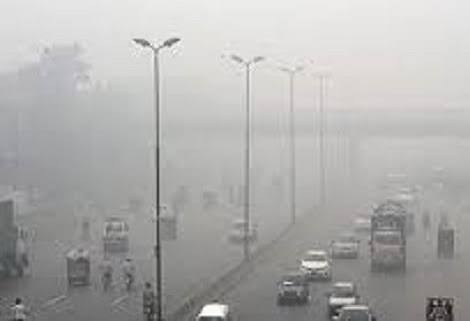
Harmattan is a dry, dusty season that affects different parts of Nigeria. During this period, low humidity and airborne dust can cause cracked lips, dry skin, eye irritation and respiratory discomfort. Dust can also settle on exposed food, drinking water and household surfaces.
Preparing your home and making a few adjustments to your daily routine can help protect your health, keep your food safe and make the season more comfortable.
Know when harmattan starts
Harmattan typically begins around November or December and can continue into January or February, depending on the region. However, some health risks associated with the dry season may persist beyond this period.
The Nigeria Centre for Disease Control and Prevention (NCDC) identifies December to April as a period of increased risk of cerebrospinal meningitis, particularly in northern Nigeria. States within the meningitis belt are especially vulnerable.
Since harmattan conditions vary across the country, paying attention to weather changes in your area can help you prepare appropriately.
Protect your skin
Harmattan air contains little moisture, allowing water to evaporate more quickly from the skin. This can cause dryness, itching and, in some cases, cracking.
Apply a rich moisturiser or body oil regularly, paying particular attention to your hands, face and feet. Applying moisturiser immediately after bathing, while your skin is still slightly damp, helps lock in moisture.
Avoid excessive scrubbing and harsh soaps, as they can strip the skin of its natural oils and worsen dryness.
Take care of your lips
The skin on the lips is particularly vulnerable to dry weather, making them more likely to become rough, cracked or sore during harmattan.
Use a lip balm or moisturising lip product regularly throughout the day. Applying it before bedtime can also help keep your lips moisturised overnight.
Avoid licking your lips when they feel dry. Although this may provide temporary relief, saliva evaporates quickly and can leave them even drier.
Cover your nose and mouth in dusty conditions
Dust in the air can irritate the nose and respiratory tract, particularly in people with allergies, asthma or other respiratory conditions. It may also carry particles and microorganisms that can affect respiratory health.
Wear a well-fitting protective mask when going outdoors in dusty conditions. If possible, limit outdoor activities when dust levels are particularly high.
These precautions can reduce the amount of dust you inhale and help minimise respiratory irritation.
Protect your eyes
Dry air and airborne dust can cause eye irritation, redness and discomfort. People who spend long periods outdoors may be particularly affected.
Wear sunglasses or clear protective glasses when outside to reduce direct exposure to dust. If your eyes feel irritated, rinse them gently with clean water and avoid rubbing them, especially with unwashed hands.
You can also take steps to reduce eye irritation by limiting exposure to dusty environments and maintaining good personal hygiene.
Keep your home dust-free
Dust can accumulate quickly during harmattan, particularly when windows and doors are frequently left open. Regular cleaning helps reduce the amount of dust circulating in your living spaces.
Use a damp cloth to wipe furniture, shelves and other surfaces instead of a dry duster, which can spread dust into the air. Sweep or mop the floors regularly and pay attention to corners where dust tends to accumulate.
Keep windows and doors closed during particularly dusty periods where practical. Regular cleaning can also help reduce exposure to dust and other household irritants.
Drink enough water
Dry weather can increase water loss from the body, even when the temperature does not feel particularly high. This makes regular fluid intake important during harmattan.
Carry a water bottle when leaving home and drink throughout the day rather than waiting until you feel thirsty. Adequate hydration helps maintain normal body functions and prevents dehydration.
Pay particular attention to children, older adults and people who may not recognise the early signs of dehydration.
Keep your drinking water clean
Dust can settle on exposed water and contaminate containers that are not properly covered. To maintain good water hygiene, store drinking water in clean containers with tightly fitting lids.
Avoid drinking water that has been left uncovered for extended periods, especially in dusty environments. Wash water containers regularly and ensure that the utensils used to collect drinking water are clean.
These simple precautions can help protect your household from water contamination.
Cover your food properly
Cooked food should not be left at room temperature for extended periods, as bacteria can multiply and make it unsafe to eat.
Refrigerate leftovers in clean, covered containers within two hours of cooking or serving. In very hot conditions, where temperatures are above 32°C, refrigerate them within one hour. Avoid leaving prepared meals on the kitchen counter overnight.
When you are ready to eat, reheat leftovers thoroughly until they are steaming hot throughout. However, reheating does not necessarily make food safe if it has already been left out for too long.
If food has an unusual smell, appearance or texture, or you are unsure how it was stored, it is safer to discard it.
Store leftovers safely and reheat them properly
Cooked food should not be left at room temperature for extended periods, as bacteria can multiply and make it unsafe to eat. Refrigerate leftovers promptly in clean, covered containers rather than leaving them on the kitchen counter overnight.
When you are ready to eat, reheat leftovers thoroughly until they are steaming hot throughout. However, reheating does not necessarily make food safe if it has already been left out for too long.
If food has an unusual smell, appearance or texture, or you are unsure how it was stored, it is safer to discard it.
Store dry foods safely
Grains, beans, spices and other dry food items need proper storage to protect them from dust, pests and moisture.
Keep these foods in clean, airtight containers with tightly fitting lids. Place the containers on racks or shelves rather than directly on the floor, and store them away from damp areas and direct sunlight.
Inspect stored grains and other food items regularly for signs of moisture, mould or insect infestation. Proper food storage helps maintain their quality and reduces the risk of spoilage.
Keep pests away from your food store
Rats, cockroaches and other household pests can contaminate food and spread disease. Keeping your food storage area clean and organised makes it less attractive to these pests.
Sweep regularly, remove food scraps and dispose of household waste properly. Repair leaking pipes, clear unnecessary clutter and store food in sealed containers.
Keep food items away from walls and floors where possible, and inspect storage areas regularly for signs of pest activity. Removing access to food, water and hiding places can help prevent pest infestations.
Do not ignore warning signs
Although dry skin, cracked lips and mild respiratory irritation are common during harmattan, persistent or severe symptoms should not be ignored.
Consult a healthcare professional if you experience a persistent cough, worsening catarrh, recurring nosebleeds or skin problems that do not improve with basic care. People living with asthma should keep their prescribed medication available and seek medical attention if their symptoms worsen.
Avoid taking antibiotics without medical advice. Many respiratory infections are caused by viruses, which antibiotics do not treat.
People living with sickle cell disease should also take precautions against cold exposure, as low temperatures can trigger painful crises. In areas affected by meningitis, seek urgent medical attention if you develop symptoms such as a severe headache, fever or stiff neck.
Look after children
Children may be more vulnerable to the effects of dusty air, particularly those with asthma, allergies or other respiratory conditions. Take additional precautions to limit their exposure during harmattan.
Dress them appropriately when temperatures drop, especially in the early mornings and evenings. Keep windows and doors closed during particularly dusty periods, and encourage them to wash their hands and faces after playing outdoors.
Avoid allowing children to play in heavily dusty environments for extended periods. Watch out for persistent coughing, difficulty breathing, unusual tiredness or other symptoms that may require medical attention.
By Olujuwon Oyedele
For Advert, Event Coverage/Press Conference Invite, Story/Article Publication & Other Media Services
Contact Us On WhatsApp
Send Email To: citizennewsng@gmail.com
Visit Citizen NewsNG To Read More Latest And Interesting News Across Nigeria And The World