








Lagos Intensifies Food Safety Drive, Cautions Vendors Against Sanitary Violations | Citizen NewsNG
 Citizen NewsNG
4 min read
Lagos State Government has intensified efforts to strengthen food safety and protect consumers from foodborne illnesses, calling on food business operators across the state to adopt internationally recognised food safety management practices and comply strictly with established hygiene regulations.
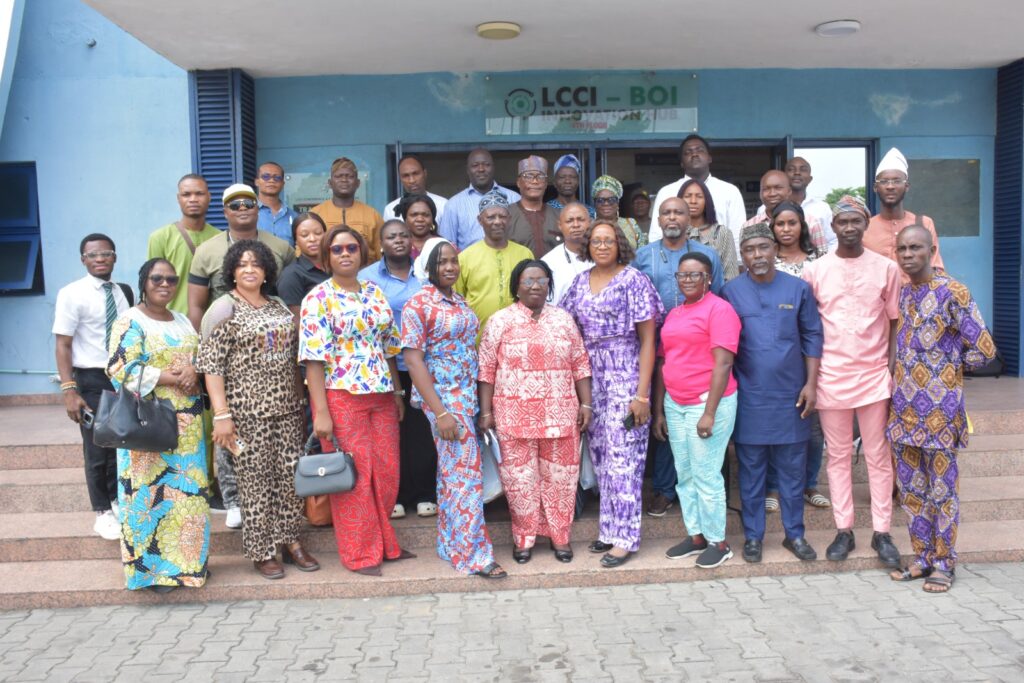
Permanent Secretary, Lagos State Ministry of Health, Dr. Dayo Lajide, made the call on Friday at a one-day sensitisation workshop on Food Safety Management Systems and Regulatory Compliance, organised by the Ministry’s Directorate of Environmental and Occupational Health Services at the Lagos Chamber of Commerce and Industry (LCCI), Alausa, Ikeja. She was represented by the Director, Environmental and Occupational Health Services, Dr. Yeside Shogbamimu.
Lajide noted that with Lagos being home to over 20 million people and millions of meals prepared, sold and consumed daily across restaurants, hotels, markets, eateries, bakeries, canteens and street food outlets, ensuring food safety had become an increasingly important public health responsibility. She explained that unsafe food could transmit harmful microorganisms, chemicals and other contaminants, resulting in foodborne diseases, outbreaks and, in severe cases, loss of lives.
She stressed that food safety must not be regarded merely as a regulatory obligation or an attempt to avoid government sanctions, but as an ethical responsibility and investment in business sustainability and consumer well-being. According to her, the state government, under Governor Babajide Sanwo-Olu, remains committed to protecting residents through preventive healthcare, environmental health management and effective enforcement of relevant public health regulations. She urged operators to see regulators as partners in safeguarding public health.
The workshop, which focused on food hygiene, regulatory standards and consumer protection, was designed to promote a sustainable food safety culture, improve accountability among food business operators, strengthen compliance with state regulations and equip establishments to identify and address potential hazards before routine inspections. Participants were also exposed to the Hazard Analysis and Critical Control Points (HACCP) framework adopted by Lagos State as its food safety management system.
In her presentation, the Head of the Food Safety Unit, Mrs. Blessing Kezienwata, outlined the unit’s responsibilities, including registration and licensing of food establishments, routine hygiene inspections, laboratory testing of food and water samples, review of HACCP documentation, certification of compliant establishments and investigation of food poisoning outbreaks. She also highlighted collaboration with agencies such as NAFDAC, LASEPA, the Ministry of Agriculture and local government authorities to strengthen food safety oversight.
A food safety and quality consultant, Miss Chizoma Unegbu, who spoke on food safety and HACCP, identified biological, chemical, physical and allergenic contaminants as major hazards capable of compromising food quality and endangering consumers. She emphasised the importance of personal hygiene, staff training, sanitation, pest control, temperature monitoring and proper documentation, explaining that effective record-keeping promotes accountability, traceability and timely corrective action when safety breaches occur.
The Lagos State Consumer Protection Agency (LASCOPA), through its Director of Scientific Investigation, Research and Development, Mr. Lucas Raheem, who represented the General Manager, Barrister Afolabi Sholebo, described food safety as a fundamental consumer right and a shared responsibility. He urged food operators to embrace preventive measures and proper food handling, noting that effective HACCP implementation would reduce contamination risks, strengthen quality assurance and boost consumer confidence.
Similarly, the Executive Secretary of the Restaurants and Fast Food Proprietors Association of Nigeria (REFSPAN), Mr. Babatunde Ogun, commended the Ministry for the engagement, describing food safety as a critical issue that the restaurant industry must continually prioritise. He assured the government that knowledge gained at the workshop would be cascaded to member brands and outlets, while encouraging operators to regard regulatory officers as partners rather than adversaries.
Speaking on the importance of preventive healthcare, Marketing Strategist and Vaccine Consultant at Emzor Pharmaceutical Industries, Pharmacist Oluwatobi Adegbami, encouraged food handlers and business owners to prioritise regular hepatitis screening and vaccination. He disclosed that Emzor, in collaboration with Cheka, was working to make screening services more accessible to organisations through on-site sample collection, electronic delivery of results and opportunities for preventive vaccination against hepatitis A and B.
Sharing their experiences, Assistant Health, Safety and Environmental Officer at Lagos Continental Hotel, Shittu Simbiat, described the training as insightful, noting that it had strengthened her understanding of HACCP implementation and food contamination prevention. She disclosed that the hotel maintained standard operating procedures, conducted monthly laboratory tests on its water supply and worked with waste management service providers to sustain hygiene standards. An experienced chef and former Sous Chef at Four Points by Sheraton, Adewale Adetunji, also emphasised that food safety went beyond preparing good meals, stressing the need for portion control, food costing, proper preservation and waste management.
In her closing remarks, Shogbamimu urged participants to become ambassadors of food safety by sharing the knowledge acquired with colleagues, business partners and other operators who were unable to attend the workshop. She acknowledged the enormous number of food establishments across Lagos, noting that government could not engage all operators simultaneously, and reaffirmed the Ministry’s readiness to collaborate with stakeholders, address their concerns and strengthen coordinated interventions.
She commended REFSPAN and other stakeholders for their partnership, reiterating that the Ministry would continue to combine public enlightenment, technical guidance, monitoring and enforcement to improve compliance. The workshop reinforced the position that ensuring safe and wholesome food for Lagos residents requires sustained collaboration between government regulators, food business owners, handlers and consumers.
For Advert, Event Coverage/Press Conference Invite, Story/Article Publication & Other Media Services
Contact Us On WhatsApp
Send Email To: citizennewsng@gmail.com
Visit Citizen NewsNG To Read More Latest And Interesting News Across Nigeria And The World