








 Citizen NewsNG
The Academy of Medical Sciences Nigeria has raised the alarm over the emergence of a new COVID-19 variant, PJ.2.1, which it says is spreading rapidly across several countries, urging the Federal Government and Nigerians to strengthen preventive measures ahead of the festive season.
The Academy warned that increased travel, homecomings and large social gatherings during the upcoming Christmas and New Year celebrations could heighten transmission risks without adequate precautions.
In a public advisory dated November 22, jointly signed by its President, Prof. Joseph Ahaneku, and the Chairman of its Rapid Response Committee, Prof. Boaz, the Academy urged Nigerians not to panic, but to remain vigilant in crowded places and at social events.
It noted that the World Health Organisation (WHO) had classified PJ.2.1 as a “Variant Under Monitoring”. While available evidence suggested it spread more efficiently than some existing variants, there was no indication that it caused more severe illness. Current COVID-19 vaccines also appeared to remain effective against the strain.
Reported symptoms include sore throat, fever, cough, runny or blocked nose, fatigue, headache, muscle aches and chills.
First detected in Ontario, Canada, on May 2, 2026, PJ.2.1 has since been reported in several countries, including the United States, Spain, France, Israel, Singapore, Brazil and Australia. Although no cases had been publicly reported in Nigeria, the Academy cautioned that limited genomic sequencing across Africa meant its absence from official reports did not prove that it was not already in the country.
To mitigate the risk, the Academy urged the Federal Ministry of Health and Social Welfare and the Nigeria Centre for Disease Control and Prevention (NCDC) to intensify genomic surveillance, strengthen entry-point screening, and ensure adequate supplies of test kits, oxygen and essential medicines.
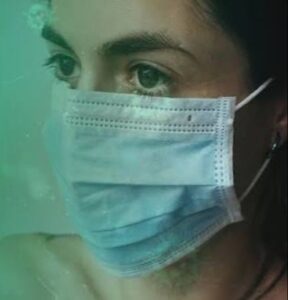
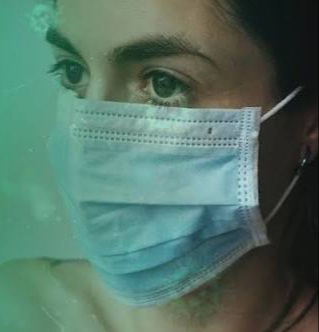
It advised symptomatic individuals to stay at home, get tested and avoid visiting elderly relatives. The public was urged to wash their hands frequently and wear well-fitting masks in crowded indoor spaces and on public transport. Event organisers were advised to prioritise open-air or well-ventilated venues and provide handwashing stations.
High-risk groups, including adults aged 60 and above, pregnant women and people with underlying conditions, should seek prompt medical care if symptoms develop. However, the Academy noted that travel bans remained unjustified by current evidence.
By Tunbosun Ogundare
For Advert, Event Coverage/Press Conference Invite, Story/Article Publication & Other Media Services
Contact Us On WhatsApp
Send Email To: citizennewsng@gmail.com
Visit Citizen NewsNG To Read More Latest And Interesting News Across Nigeria And The World