







 Citizen NewsNG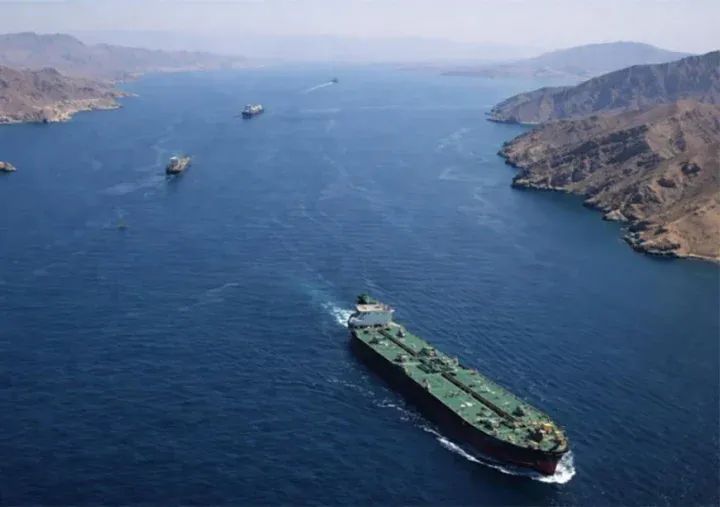
Iran Foreign Minister Abbas Araqchi on Friday announced that the Strait of Hormuz had been reopened to commercial traffic under a temporary ceasefire arrangement linked to a broader diplomatic push.
In a post on X, Araqchi said the vital shipping corridor would remain accessible to all commercial vessels for the duration of US-brokered truce tied to a ceasefire agreement between Israel and Lebanon.
He added that vessels must adhere to routes designated by Iran’s Ports and Maritime Organisation.
Meanwhile, US President Donald Trump while confirming that Iran had declared the Strait open, emphasised that a US naval blockade targeting vessels bound for Iranian ports remained in force.
“The blockade will continue until our transaction with Iran is 100 per cent complete,” Trump said, suggesting a broader agreement could be imminent, though no timeline has been confirmed.
The Strait’s reopening follows weeks of disruption caused by the ongoing US-Israeli confrontation with Iran, which began on February 28 and has since destabilised the Middle East, claiming thousands of lives.
Diplomatic efforts appear active but unresolved as talks between US and Iranian officials expected to take place in Islamabad face logistical delays, while sources on both sides indicate that key disagreements persist, particularly over Iran’s nuclear programme.
Washington is reportedly pushing for a 20-year suspension of Iran’s nuclear activities, while Tehran has proposed a shorter freeze of three to five years. Iran is also demanding sanctions relief, while the US insists on the removal of highly enriched uranium from Iranian territory, a point both sides continue to publicly dispute.
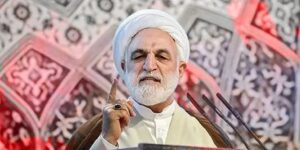
Trump claimed Iran had agreed to relinquish sensitive nuclear material, a statement quickly rejected by Iranian state media, as a senior cleric Ahmad Khatami warned that negotiations would not proceed under pressure, reflecting domestic resistance to perceived concessions.
Meanwhile, Pakistan acting as a mediator reports incremental progress through backchannel diplomacy. Officials suggest a memorandum of understanding could be reached in the coming days, potentially paving the way for a comprehensive deal within two months.
Eritrea, North Korea, Turkmenistan…seven other countries dangerous to be a journalist in — CPJ
Group takes responsibility for cyber attack on Israel
Helicopter carrying Iran’s President crashes
Parallel developments in Lebanon are central to the broader diplomatic equation, as a US-backed ceasefire between Israel and Hezbollah appears largely intact, though Lebanese authorities have reported isolated violations by Israeli forces.
The closure of the Hormuz strait, through which 20 per cent of global oil and liquefied natural gas is transported, had resulted in severe global energy disruption.
For now, the reopening of the passage offers a temporary reprieve for global markets and energy supply chains. But with military posturing continuing alongside fragile negotiations, the path to a lasting resolution remains uncertain.
For Advert, Event Coverage/Press Conference Invite, Story/Article Publication & Other Media Services
Contact Us On WhatsApp
Send Email To: citizennewsng@gmail.com
Visit Citizen NewsNG To Read More Latest And Interesting News Across Nigeria And The World