








 Citizen NewsNG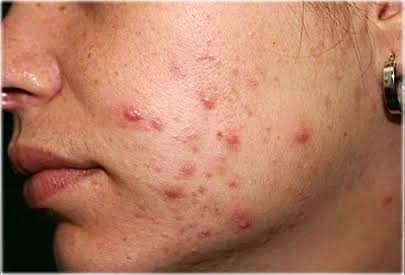
You wake up to the mirror and there are beads of small boil, pimples decorating your face. And just when you thought you were making progress, you notice the dark spots from last month’s breakout are still lingering around.
In this article, Tribune Online will be doing a breakdown of why pimples form, the dark spots behind and most importantly, what actually clears both.
Understanding the Problem: Pimples vs. Dark Spots
Pimples and dark spots might seem like the same problem, but they are not. They have different causes and they need different solutions. Treating one won’t automatically clear the other and that’s where a lot of people get stuck.
Why do pimples form in the first place?
Your skin produces a natural oil called sebum and that’s a normal thing. It keeps your skin moisturised and protected. But when your pores produce too much of it, especially mixed with dead skin cells, things get clogged up fast.
That clogged pore becomes a perfect breeding ground for a bacteria called Cutibacterium acnes (formerly known as Propionibacterium acnes) ; it is a part of the normal microbiome that naturally lives on human skill.
Your immune system detects it, triggers inflammation and boom; a red swollen pimple shows up uninvited.
Moreover, hormones, diet, stress, and genetics can all turn up the volume on this process.
What are those dark spots left behind?
Once a pimple heals, your skin sometimes goes into overdrive trying to repair itself. It produces excess melanin, that’s the pigment that gives your skin its color at the site of the inflammation. It resulted in a flat, discolored patch called post-inflammatory hyperpigmentation or PIH.
PIH isn’t a scar, it’s not damage to the skin’s structure but it’s just excess pigment sitting near the surface. However, with the right approach, it can fade, but without the right approach, it can stick around for months.
People with deeper skin tones tend to experience more noticeable PIH because their skin naturally produces more melanin. So if dark spots seem to hit you harder than they do to someone else, that’s likely why.
How to get rid of pimples: What actually works
Proven skincare Ingredients
Not every product on the shelf deserves a spot in your routine. These four ingredients are genuinely backed by dermatological research:
Salicylic acid – is a beta-hydroxy acid (BHA) that gets inside the pore and dissolves the mix of oil and dead skin cells causing the blockage. It also has anti-inflammatory properties, so it calms the redness around a pimple while it works. Look for it in cleansers, toners, or spot treatments.. it’s usually at concentrations between 0.5% and 2%.
Benzoyl peroxide – this goes after the bacteria directly. It introduces oxygen into the pore, and C. acnes can’t survive in an oxygen-rich environment. It’s one of the most effective OTC acne treatments available, but starts with a lower concentration (2.5% or 5%) to avoid unnecessary dryness and irritation.
Niacinamide – It reduces excess sebum production, calms inflammation and minimizes the appearance of pores. It’s gentle enough for daily use and works well alongside most other activities.
Adapalene is an over the counter retinoid (available as Differin in the US) that speeds up cell turnover, preventing dead skin cells from clogging pores in the first place. It’s particularly good for people dealing with recurring breakouts rather than just the occasional pimple.
What to do when pimple appears
When a pimple just popped up. Here’s what to actually do:
Cleanse gently, scrubbing harder won’t make it go away faster, it’ll just irritate your skin and potentially spread bacteria to surrounding pores.
Apply a targeted spot treatment with salicylic acid or benzoyl peroxide directly on the pimple. Let it do its job.
Don’t pop it, squeezing a pimple pushes bacteria deeper into the skin, worsens inflammation and dramatically increases your chances of scarring. If it’s a deep, painful one, a warm compress can help bring it to the surface naturally.
Follow up with a non-comedogenic moisturizer. This means it won’t clog your pores, even oily skin needs hydration, skipping it tells your skin to produce more oil.
Home remedies worth trying
Some home remedies actually have decent evidence behind them:
Ice — wrapping an ice cube in a clean cloth and holding it against a pimple for a few minutes can visibly reduce swelling and redness. It won’t cure it, but it helps.
Diluted tea tree oil — tea tree oil has genuine antimicrobial properties. The key word is diluted, always mix it with a carrier oil like jojoba before applying it to your skin. Straight tea tree oil can burn.
Aloe vera gel — pure aloe (not the bright green gel with artificial fragrance) soothes irritated skin and has mild antibacterial effects. It’s a solid option for calming a flare-up.
What definitely doesn’t work
Toothpaste – this contains ingredients like fluoride and sodium lauryl sulfate that irritate and dry out skin. It doesn’t treat acne.
Rubbing kills bacteria – it also strips your skin barrier completely, which causes more oil production and more breakouts.
Over-washing your face – washing more than twice a day doesn’t help. It disrupts your skin’s natural balance and leaves it vulnerable.
ALSO READ: Top 5 world’s most technically difficult airports for pilots
How to fade dark spots: What actually works
You’re not fighting bacteria here, you’re managing pigment. And that takes patience plus the right ingredients.
Proven ingredients for dark spots
Vitamin C is one of the most well-researched brightening ingredients out there. It works by inhibiting tyrosinase; the enzyme your skin uses to produce melanin. Less melanin at the spot site means the discoloration gradually fades.
Use a stable Vitamin C serum – look for L-ascorbic acid at 10–20%) in the morning for best results.
Alpha arbutin targets hyperpigmentation at the source also by blocking melanin production but it’s gentler than some other brighteners and suitable for sensitive skin. It’s become a go-to ingredient for dermatologists treating PIH, particularly in darker skin tones.
Kojic acid is derived from fungi and has a natural skin-brightening effect. You’ll find it in serums, creams, and even some soaps. It works, though it can cause irritation for some people, so patch test first.
AHAs — glycolic acid and lactic acid work by gently exfoliating the top layer of skin, which speeds up the natural process of shedding pigmented cells and revealing fresh skin underneath. Glycolic acid is stronger, lactic acid is milder and better for sensitive skin.
Niacinamide is another proven ingredient, it interferes with the transfer of melanin to the skin’s surface which means it helps prevent new dark spots from forming while fading existing ones. At 5–10%, it’s genuinely effective.
Daily habits that help fade spots faster
Here’s this hardest part; Staying consistent. Dark spots don’t disappear overnight. Depending on how deep the pigmentation is, it can take anywhere from six weeks to six months of consistent use before you see significant fading. That’s not a flaw in the process, that’s just how skin works.
Home remedies that have some evidence
Fresh aloe vera contains aloesin, a compound that’s shown some ability to inhibit melanin production. It’s gentle, hydrating and worth adding to your routine.
Diluted lemon juice – Lemon juice contains Vitamin C and citric acid, which are legitimately brightening. But undiluted, it can seriously irritate skin and even cause chemical burns in sunlight (a reaction called phytophotodermatitis). If you try it, dilute it heavily and never go outside with it on your face.
Turmeric masks — turmeric contains curcumin, which has anti-inflammatory and mild skin-brightening properties. Mixed with honey or yogurt, it makes a decent mask. Just don’t leave it on too long, or you’ll temporarily stain your skin yellow.
Treatments to ask your dermatologist about
Chemical peels use higher concentrations of acids to resurface the skin more aggressively than anything available over the counter. Results can be significant.
Laser therapy targets melanin directly and can dramatically reduce hyperpigmentation, though it requires professional administration and isn’t suitable for all skin types.
Prescription-strength hydroquinone is one of the most effective skin-lightening agents available, but it requires medical supervision because long-term unsupervised use carries risks.
Building a Simple Routine That Tackles Both
Here’s a simple framework that addresses both active pimples and dark spots.
Morning Routine
Start with a gentle, non-stripping cleanser. Follow with a Vitamin C serum to target dark spots and protect against environmental damage.
Apply a lightweight, non-comedogenic moisturizer and finish with SPF 30 or higher. Every morning without exceptions.
Evening Routine
If you wear sunscreen or makeup, start with an oil-based cleanser or micellar water to properly remove it. Then follow with your gentle cleanser.
Apply either a salicylic acid treatment (for active pimples) or your adapalene retinoid, not both at the same time. Layer on a niacinamide serum, which works on both fronts overnight. Finish with your moisturizer.
That’s it. Six or seven products across two routines. Consistency with this beats rotating through twelve trendy products every few weeks — every single time.
Mistakes People Make That Make Things Worse
Even with the best intentions, a lot of people accidentally sabotage their own progress. Here are the most common slip-ups.
Over-exfoliating is probably the biggest one. Using acids every day, layering multiple exfoliants, or scrubbing aggressively strips your skin barrier. When that barrier breaks down, your skin becomes reactive, inflamed and more prone to breakouts. Twice or three times a week is plenty.
Skipping moisturiser because your skin feels oily is a trap. Dehydrated skin signals the sebaceous glands to produce more oil to compensate. More oil means more clogged pores.
Not wearing sunscreen while using brightening ingredients is counterproductive. Ingredients like Vitamin C, AHAs and retinoids make your skin more sensitive to UV and UV darkens spots.
Popping pimples feels satisfying in the moment and causes real damage in the long run. It pushes bacteria into surrounding tissue, deepens inflammation, and turns a temporary pimple into a lasting scar.
Switching products every two weeks because you haven’t seen results yet is a patience problem, not a product problem. Most skincare ingredients need at least four to six weeks of consistent use before your skin responds visibly.
Piling on too many activities at once like retinoids, AHAs, BHAs, Vitamin C, benzoyl peroxide creates a chemistry experiment on your face that usually ends in irritation, purging, or both. Introduce one new activity at a time.
When to See a Dermatologist
If you’re dealing with cystic acne (those deep, painful lumps that don’t come to a head), nodules, or breakouts that cover large areas of your face, OTC products aren’t going to cut it. That level of acne often requires prescription treatment.
Similarly, if you’ve been consistent with a brightening routine for three to six months and your dark spots haven’t budged, it’s time to get professional eyes on it. Some hyperpigmentation sits deeper in the skin and needs stronger intervention.
A dermatologist can prescribe tretinoin (a stronger retinoid than adapalene), oral or topical antibiotics, azelaic acid, or prescription-strength brightening agents that simply aren’t available off the shelf.
And honestly? Seeing a dermatologist isn’t giving up on your skincare journey, it’s leveling up. Think of it as getting a coach instead of figuring everything out alone.
Take-aways
Clear skin isn’t about finding one miracle product. It’s about understanding what your skin is actually dealing with, treating active pimples with the right ingredients, then fading the marks they leave behind with a targeted approach.
The two-step mindset is simple: fight the breakout first, then fade what’s left. Give your routine time to work, protect your progress with sunscreen daily and resist the urge to do too much at once.
Start small. Pick one or two things from this article and build from there. Your skin didn’t get this way overnight and it won’t clear up overnight either but with consistency, it absolutely will improve.
By Damilola Oluwaje
For Advert, Event Coverage/Press Conference Invite, Story/Article Publication & Other Media Services
Contact Us On WhatsApp
Send Email To: citizennewsng@gmail.com
Visit Citizen NewsNG To Read More Latest And Interesting News Across Nigeria And The World